

### Blog Post:
Mold remediation cost is a major concern for homeowners who discover mold growth in their property. Prices can swing wildly based on the size and location of the problem, the type of mold, and where you live. Knowing precisely what to expect before you hire a professional or attempt a DIY clean-up can help you avoid unexpected expenses and health risks.
Key Takeaways
- Mold remediation cost generally ranges from $1,223 to $3,753, but severe or hidden infestations—especially in walls—can exceed $20,000.
- Inspection and remediation are separate steps; inspection identifies the problem, remediation actually removes the mold and may require structural repairs.
- DIY mold removal is only safe for very small, accessible areas. Professional help is strongly recommended for larger or hidden mold issues.
- What Drives Mold Remediation Cost? The Core Concept
- Step-by-Step Guide: How To Address Mold and Estimate Costs
- Advanced Analysis & Common Pitfalls
- Conclusion
- FAQ
What Drives Mold Remediation Cost? The Core Concept
Mold remediation cost depends on several variables: geographic region, location of the infestation in your home, the size and severity of the affected area, and the type of mold, especially if you’re dealing with toxic black mold. Most homeowners pay between $1,223 and $3,753 for professional mold removal, with extensive jobs sometimes reaching $30,000 or more. The typical rate is $10 to $25 per square foot, and costs in high-demand areas like the Tri-State (NYC/NJ/CT) or California can be far higher—sometimes $10,000 to $100,000 for large, complex jobs.
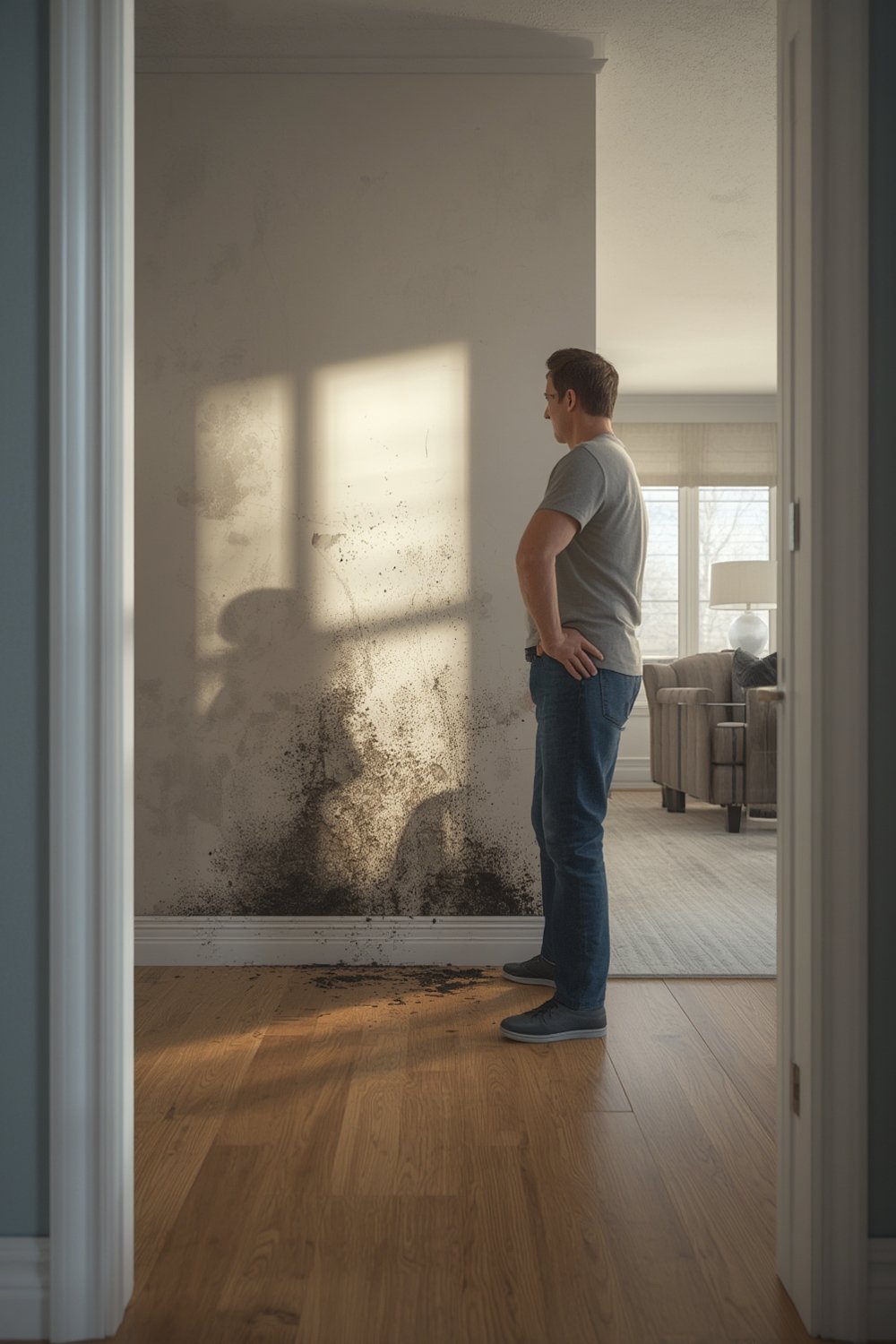
Most projects break down into these basic steps: inspection to locate and confirm the mold; containment and removal of affected materials (including drywall, carpet, or flooring as needed); and repairs to restore your home. Professional remediation is necessary when the visible area exceeds 10 square feet or when mold is hidden in inaccessible areas such as inside walls, beneath floors, or in HVAC systems. If only a small area is impacted, and you have the right proper safety gear, limited DIY may be possible—but it carries both health and financial risks.
Common areas hit by mold, and costs in 2024, include:
- Attic: $1,000 to $4,000 (can exceed $9,000 if access is limited)
- Basement: $500 to $3,000 (can reach $4,000 for severe infestations)
- Bathroom: $500 to $1,000 (up to $2,000 if extensive repairs are needed)
- Crawl Space: $500 to $2,000
- Walls: $1,000 to $20,000 (including deconstruction if inside walls, high for hidden mold)
- Whole House: $10,000 to $30,000
For black mold (Stachybotrys chartarum), expect a 15-25% markup: $800 to $7,000, or $12 to $40 per square foot.
Repairing water-damaged drywall or carpet adds anywhere from $775 to $2,900 to the total bill (source). For a more granular look at these numbers, reference detailed regional estimates and typical cost ranges published by HomeAdvisor and others.
Step-by-Step Guide: How To Address Mold and Estimate Costs
Addressing mold costs starts with understanding the process and making smart decisions at each stage. Here’s how you can tackle mold in your home, minimize risks, and avoid surprise expenses:
- Inspect and Assess
Begin with a thorough visual inspection of all rooms, including hidden trouble spots like attics, crawl spaces, behind appliances, and inside closets. Look for staining, musty odors, or soft, damp drywall.
Pro tip: For a technical inspection and exact scope, professionals use moisture meters and air quality tests. Inspection costs are often bundled in total remediation costs, so request itemized estimates (source). - Confirm the Extent and Type
For large or hidden infestations, hire a certified inspector to test the mold type and measure the spread. This is critical because black mold commands higher removal costs and extra containment steps. If you have respiratory symptoms or mold allergies, skip DIY entirely. Basement waterproofing can also be essential for future prevention. - Gather Multiple Estimates
Get at least three quotes, ensuring they detail labor, materials, containment, material replacement, and potential repair costs. Understand if hazardous waste disposal and third-party testing are included. - Plan for Repairs
Heavily affected areas will almost always require drywall, carpet, or flooring replacement, which can rapidly increase your total bill. Surface-only areas may cost $500 to $1,500, while in-wall removal often starts at $1,000 and can hit $20,000 if full wall deconstruction and rebuild are needed (source). - Encapsulation (If Needed)
If minor, some surfaces may be treated with mold encapsulant paint. However, current research provides little evidence regarding their long-term effectiveness. Do not rely on these products if active, moist, or hidden mold is present. - Post-Remediation Testing
After professional remediation, consider a final inspection to ensure all mold and spores are gone.
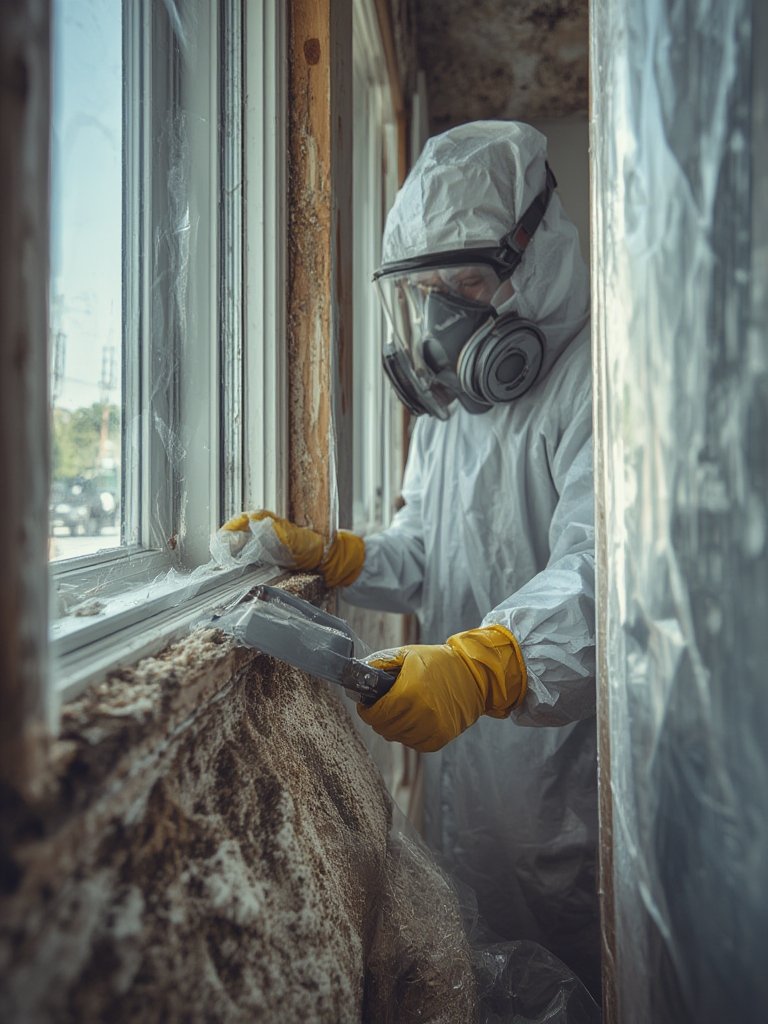
While some home improvement kits advertise easy DIY mold testing, field data in 2024 suggests that accuracy and reliability of at-home mold test kits remain questionable. Professional air quality assessment and surface sampling are more dependable, especially for pre-sale or insurance documentation requirements.
Don’t forget associated costs like increased utility bills if using HVAC systems for drying, or hidden repairs uncovered during removal. Homeowners also report frequent scope creep during wall/floor deconstruction, so always keep a contingency fund in your budget. For detailed costs on associated improvements, see our guides for crawl space encapsulation cost and window replacement.
Advanced Analysis & Common Pitfalls
Based on recent research, many homeowners underestimate both mold remediation cost and the complexity of full removal. Here are the most common pitfalls, with a technical breakdown:
| Pitfall | What Happens | Cost Impact | How to Avoid |
|---|---|---|---|
| Underestimating Hidden Mold | Mold inside walls or under floors isn’t fully visible until demolition; initial quotes may increase drastically after teardown. | +25–200% over base estimate; $1,000–$20,000+ for wall removal | Full inspection before work; request itemized “add-on” costs. |
| Skipping Professional Inspection | No clear assessment of actual spread; missed hidden mold leads to repeat growth and further repairs. | Re-cleaning costs; recurring repairs up to $10,000+ | Hire a certified inspector if over 10 sq ft or any uncertainty. |
| DIY on Large or Inaccessible Areas | DIYers often miss mold in HVAC, framing, or insulation; improper safety gear increases health risks. | Health costs; incomplete removal; possible property value loss | DIY only for minor, surface contamination; always use PPE. |
| Overlooked Repairs | Cost focus on removal but not on rebuilding walls, flooring, or insulation. Water-damaged replacement is almost always needed. | Hidden $775–$2,900+ for drywall/carpet/flooring | Budget for full restoration, not just remediation. |
| Confusing Inspection vs Remediation | Some believe inspection alone fixes the issue; only remediation removes mold and resolves the cause. | Wasted fees; delayed repairs; persistent health risk | Always confirm removal, not just diagnosis, is included. |
Regional price disparities for mold remediation can be huge, as can complications from older homes with layered drywall, vintage framing, or asbestos contamination encountered during removal. Bundled costs can minimize surprises, but always insist on clear, written agreements.
If you suspect HVAC or deep crawlspace mold, costs multiply quickly. Some related upgrades—like adding a whole home generator or optimizing your air source heat pump—can help prep your home for the added power and ventilation needs during sustained remediation work.
Conclusion
Mold remediation cost can range from several hundred to tens of thousands of dollars, depending on the scale of damage and the complexity of repair. Addressing only surface growth without a professional inspection often leads to incomplete results and much larger expenses down the line. Investment in quality inspection, safe removal by licensed pros, and full restoration—including materials like drywall, flooring, or carpet—is the surest way to protect your home, finances, and health. Proactively budgeting for unexpected mold discovery alongside other home improvements, such as ADU installation or spray foam insulation, is the best strategy for long-term peace of mind. Ready to address your mold remediation cost? Start with a certified inspection today and get multiple estimates before you commit.
Need help comparing costs or want expert advice on your unique situation? Reach out and get personalized support now.
FAQ
What factors affect mold remediation cost the most?
Severity and spread, the type of mold (e.g., black mold), the area affected (surface vs. inside walls), and your geographic location are the biggest factors. Associated repairs (like drywall or flooring replacement) raise the total bill significantly.
Can I do mold remediation myself?
You can attempt remediation if the area is under 10 square feet, the mold is fully visible, and you use proper safety gear. However, hidden, large, or toxic mold should always be addressed by professionals.
What is the difference between mold inspection and remediation?
Inspection identifies the presence and type of mold and determines the extent of the infestation. Remediation is the actual process of safely removing the mold and cleaning or replacing affected materials.
Are at-home mold test kits reliable?
There is limited data on the reliability of at-home test kits in 2024. Most professionals recommend certified lab testing for accurate results, especially if you’re concerned about resale value or insurance claims.
How much does black mold removal cost compared to regular mold?
Black mold remediation typically costs 15-25% more than standard mold, with per-square-foot prices from $12 to $40. This is due to stricter safety and containment requirements.
—