

### Blog Post:
HVAC replacement cost 2025 is on the minds of many homeowners as new regulations and growing demand drive prices higher than ever. If you need to replace your system soon or plan ahead for budget and rebate opportunities, it pays to know what to expect in your area in 2025.
Key Takeaways
- National average HVAC replacement cost in 2025 is $5,000 to $12,500, with most paying around $7,500 for a mid-efficiency system.
- Costs vary sharply by system type, efficiency, and region—high-efficiency options or large homes can reach $20,000+ in costly markets.
- Federal tax credits and some rebates for high-SEER2 systems can help offset the increased up-front costs this year.
- What Determines HVAC Replacement Cost in 2025?
- How to Get the Best Value on Your HVAC System in 2025
- Advanced Analysis & Common Pitfalls to Avoid
- Conclusion
- FAQ
What Determines HVAC Replacement Cost in 2025?
The cost to replace an HVAC system in 2025 depends on system type, installation complexity, efficiency level, and region. Prices have jumped due to regulation changes, labor, and material increases. Here’s what you can expect:
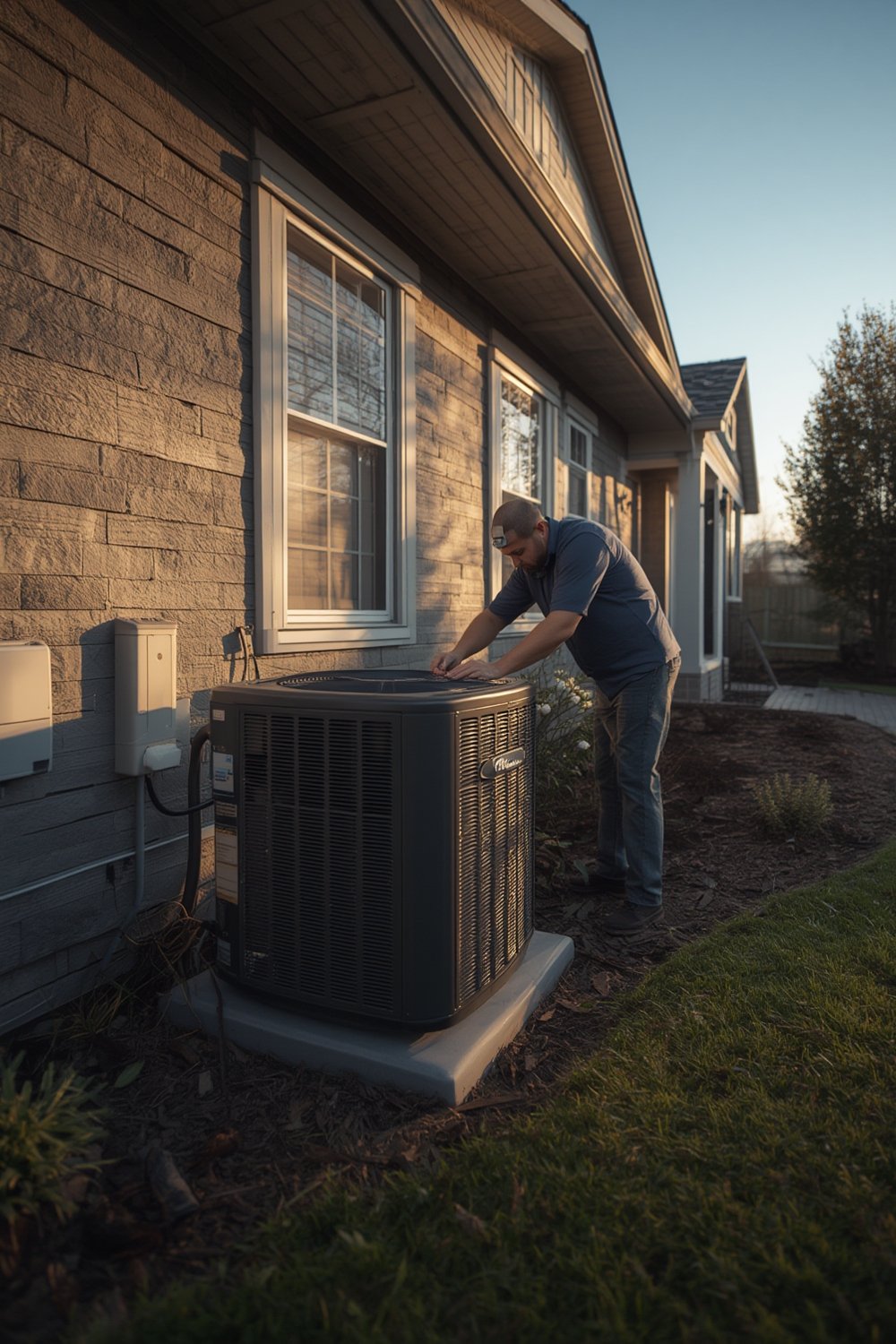
Average National Costs: Most homeowners will pay between $5,000 and $12,500 for a full system replacement in 2025, with mid-efficiency setups landing near $7,500. High-efficiency, high-SEER2 system installations for large or complex homes can surpass $20,000 in expensive labor markets. Source
Cost Range by System (including standard installation):
- Central Air Conditioning: $3,900 – $7,900 (2–5 tons)
- Gas/Electric Furnace: $2,000 – $5,400 (up to 100,000 BTU)
- Heat Pump: $4,500 – $10,000
- Ductless Mini-Split: $2,000 – $12,000 (1–2.5 tons; larger installs cost more)
- Central Air + Furnace Combo: $6,000 – $14,000
Regions with hot climates (like Texas or Florida) often see lower costs for typical-sized homes ($6,000–$9,500 for 1,500 sq ft with a 2.5-ton system) than colder ones (like Minnesota or New York), though high labor spots can push the total over $20,000 for homes larger than 3,000 sq ft. [More]
Budget tiers break down as:
- Basic: $4,500–$7,000
- Mid-Efficiency (SEER2 15–17): $7,000–$12,500
- High-Efficiency (SEER2 18+): $12,500–$25,000+
To get a lower bill, compare at least three quotes and ask about high-SEER2 system rebates. You may also want to consider related upgrades (like spray foam insulation DIY) to improve comfort and efficiency during replacement.
How to Get the Best Value on Your HVAC System in 2025
Replacing your HVAC is a big expense, but you can keep costs in check and improve comfort by following a smart process. Use the steps below to minimize surprises and take advantage of 2025’s best offers.
- Assess Your Home’s Needs: Determine system size (tonnage or BTUs) based on square footage and climate zone. Avoid over- or under-sizing, which reduces efficiency and lifespan.
- Compare System Types: Consider if a heat pump, central AC, or ductless mini-split best fits your location. In mixed climates, heat pumps often provide lower lifetime costs. Review our air source heat pump installation guide for detailed comparisons.
- Ask About SEER2: Look for systems with SEER2 ratings of 15 or higher for better energy savings. High-SEER2 units may qualify for rebates—ask your contractor what’s available in your city.
- Budget for Total Installation: Factor in extras like ductwork repairs, thermostats, disposal fees, and permits. Many homeowners underestimate these add-on costs.
- Research Incentives: Check for federal tax credits and utility rebates for high-efficiency models. These can offset 20–25 percent of your cost if you qualify. For water heating, consider the heat pump water heater rebate as a related upgrade.
- Prepare for Installation: Clear the area, arrange pet care, and plan for 1–2 days without heating/cooling. Talk with your installer about all logistics in advance.
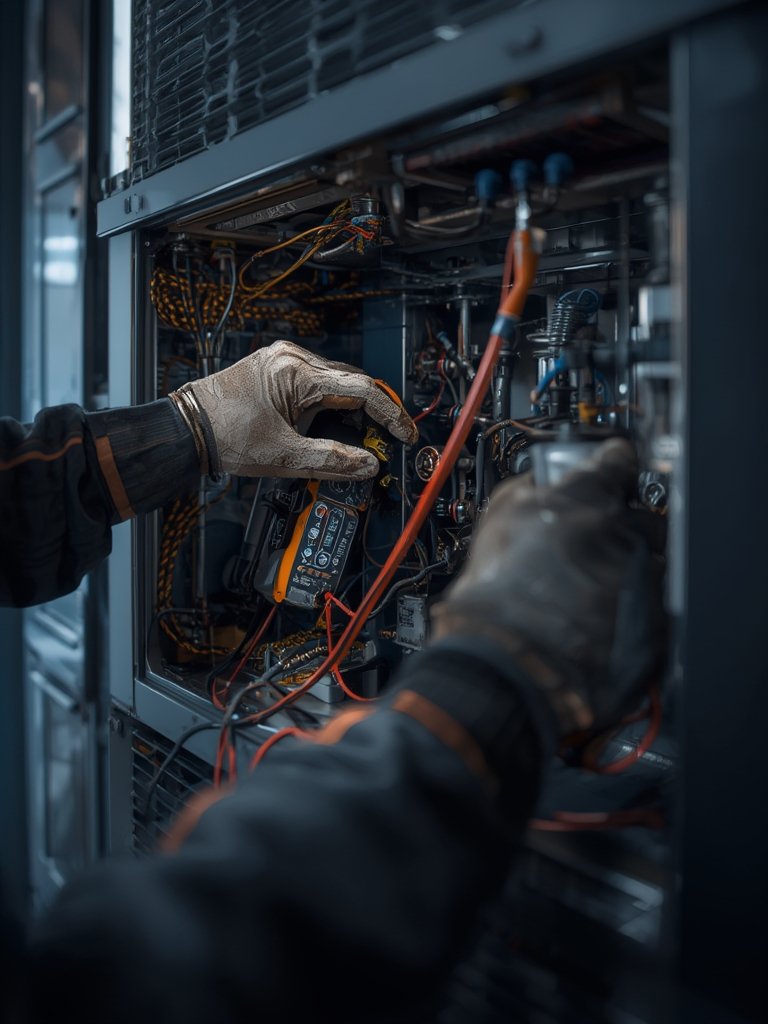
- Inspect After Install: Before signing off, verify correct system sizing, quiet operation, a clean worksite, and that all controls work. Request start-up test results and warranty documents.
- Schedule Maintenance: Keep your new system under warranty by scheduling routine annual or semiannual service visits. This can prevent costly downtime and extend lifespan.
- Explore Financing If Needed: If budget is tight, many contractors offer payment plans, though market details are sparse for 2025. Consider all options, and apply only with reputable companies. See our related guides, such as whole home generator installation or window replacement cost 2025, for broader home upgrade strategies.
Advanced Analysis & Common Pitfalls to Avoid
Many homeowners face unexpected hurdles during or after HVAC replacement—most could have been avoided with better planning. Learn from the most common issues and compare options realistically before committing.
| System Type | 2025 Average Installed Cost | Energy Efficiency | Pros | Cons |
|---|---|---|---|---|
| Central AC | $3,900–$7,900 | SEER2 13–17 typical | Lower up-front cost, proven, common service options | Only cools; may require separate furnace |
| Heat Pump | $4,500–$10,000 | SEER2 15–20+ | Cools & heats, high efficiency, qualifies for more rebates | Higher upfront cost, less effective sub-20°F without backup |
| Mini-Split | $2,000–$12,000 | SEER2 15–30+ | No ductwork, great for additions, zone control | Can be pricey for whole-home installs, wall units visible |
| Furnace | $2,000–$5,400 | AFUE 80–98% | Powerful heating, low cost, works with central AC | Heating only, no cooling, needs ducting, rising gas costs |
Real-World Pitfalls:
- Unexpected Installation Costs: Many homeowners are surprised by add-ons like new ductwork, upgraded circuit breakers, or disposal fees. Always request a “full, no-surprise” quote before signing.
- Noise or Comfort Issues: New systems can be noisy if improperly installed or undersized. Insist on quiet, variable-speed equipment and proper sizing, especially for bedrooms or upstairs units.
- Incompatible Controls/Wiring: Upgrading an old system (especially furnace/AC combos) may require new thermostats or low-voltage rewiring, adding several hundred dollars to your cost.
- Missed Rebates: Time-limited federal credits and utility rebates can drop your net cost by thousands. If not applied for during installation, you may lose out. Check early and apply quickly. See related tax savings on solar battery backup home improvements as well.
- Warranty + Brand Uncertainties: There’s little public information on top-rated HVAC brands, warranty periods, or satisfaction in 2025. Choose a reputable installer, and get all warranty details in writing. It’s very hard to change brands later without full system alterations.
- Financing Gaps: No clear 2025 market data exists on HVAC loan options or average rates. If you must finance, limit your loan to the shortest affordable term and read the fine print.

Conclusion
HVAC replacement cost 2025 will challenge many household budgets, with mid-range systems averaging $7,500 and high-end options $20,000 or more. The smartest homeowners avoid hidden expenses by comparing multiple detailed bids, double-checking incentives, and considering related upgrades. Act early to lock in quotes and maximize tax credits. Ready to transform your comfort and efficiency? Start gathering local bids now—and check out our in-depth resources on crawl space encapsulation cost to protect your new comfort investment.
FAQ
What is the average HVAC replacement cost in 2025?
The typical national average for an HVAC replacement in 2025 ranges from $5,000 to $12,500, with most homeowners spending about $7,500 for a mid-efficiency system installed.
Is it worth getting a heat pump instead of an AC in 2025?
Heat pumps cost more up front ($4,500–$10,000 vs. $3,900–$7,900 for AC) but offer both heating and cooling, with higher efficiency and greater access to rebates. They give the best value in moderate climates.
Are there federal or local rebates for HVAC replacement in 2025?
Yes, federal tax credits and local utility rebates are available for high-efficiency, SEER2-rated systems. These programs may offset 20–25 percent of your total system cost if you meet the efficiency requirements.
What are common unexpected costs during HVAC replacement?
Homeowners often encounter fees for duct repairs, new thermostats, disposal of old units, or required upgrades to wiring. Always request a detailed breakdown before you approve any project.
How can I lower my HVAC replacement costs?
Get at least three quotes, inquire about rebates, choose only the size and features you need, and consider upgrades like insulation to improve system efficiency.
—