

### Blog Post:
Heat pump water heater rebate programs are making energy efficient hot water more affordable for US homeowners in 2024 and 2025. Understanding where to find rebates, how much you can save, and avoiding common pitfalls can help you decide if a heat pump water heater is the best replacement for your old unit.
Key Takeaways
- The Inflation Reduction Act offers a $2,000 federal tax credit for qualifying ENERGY STAR certified heat pump water heaters installed in primary residences.
- Most homeowners save $100 to $500 annually on energy bills after switching, though savings depend on local rates and water usage habits.
- Installation costs for heat pump water heaters range widely and can be double or more those of conventional units, with hidden fees and maintenance costs to consider.
- Understanding Heat Pump Water Heater Rebates
- How to Claim Your Heat Pump Water Heater Rebate: Step-by-Step
- Advanced Analysis and Common Pitfalls
- Conclusion
- Frequently Asked Questions
Understanding Heat Pump Water Heater Rebates
Heat pump water heaters use electricity to move heat rather than generate it, making them much more energy efficient than standard gas or electric tank heaters. To promote this efficiency, the federal government now offers a $2,000 tax credit under the Inflation Reduction Act for replacing your old unit with a qualifying ENERGY STAR certified model.
Eligibility requires the unit to be ENERGY STAR certified and installed in a primary residence, not rented or secondary homes. There’s no strict application deadline in 2024 or 2025: you claim the tax credit when you file your IRS returns for the year the project is completed.
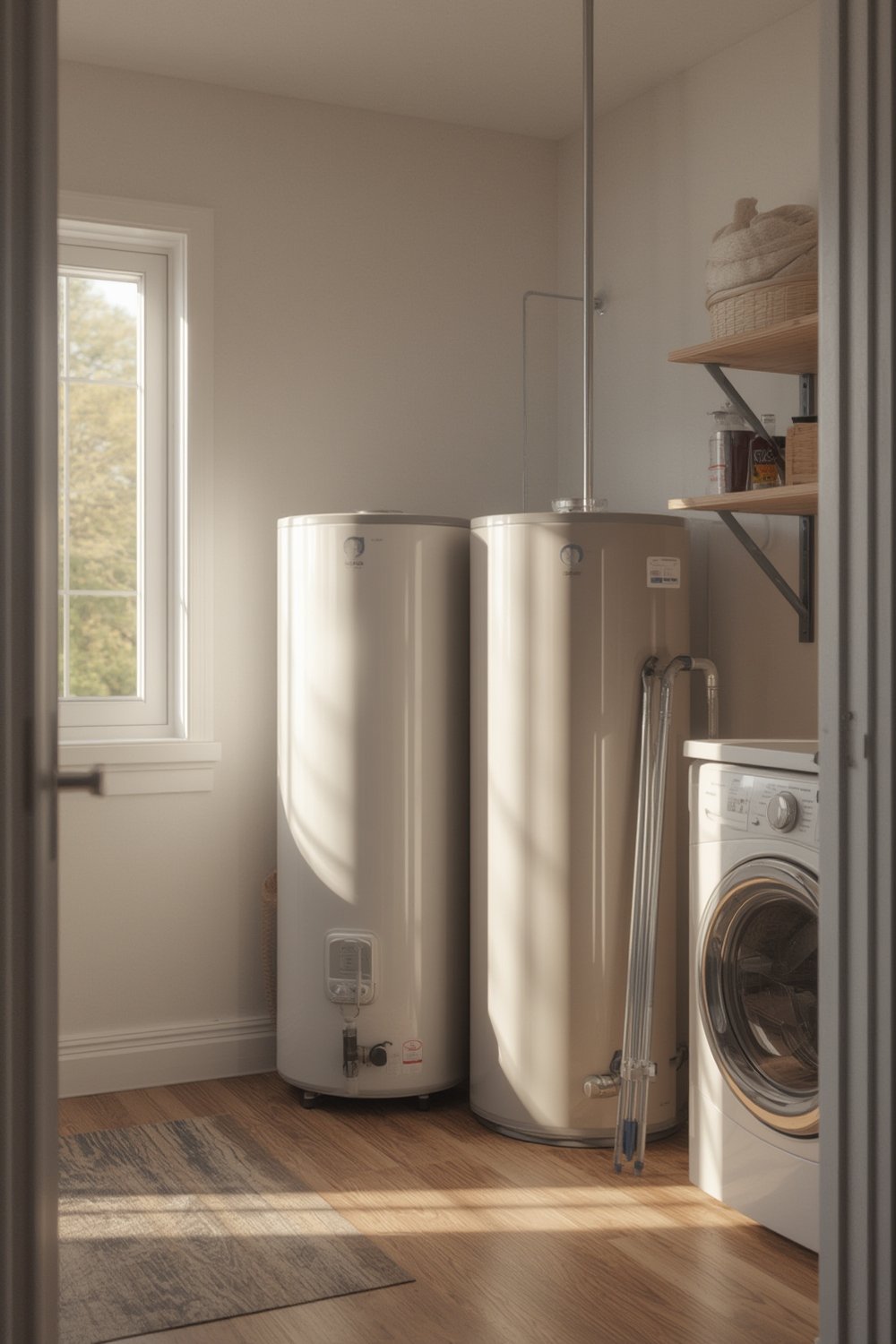
Many local utilities and some state governments offer additional rebates. These can add hundreds of dollars to your savings, but the process, eligibility, and timelines tend to be highly variable. Most states publish current rebates on their energy or utility commission websites, but as of mid-2024, there are no universally available state programs with fixed deadlines. To maximize your rebate, research local incentives before purchasing or installing your water heater.
Because the bulk of savings come from the annual energy cost reduction, installing a heat pump water heater becomes even more attractive when you consider that families often save $100 to $500 per year compared to older electric or gas units, as reported by
Angi and
Palmetto.
Want to know more about the practical impact of this switch? See our guide to water heater replacement cost and compare long-term value for your home.
How to Claim Your Heat Pump Water Heater Rebate: Step-by-Step
- Confirm eligibility: Ensure your new heat pump water heater is ENERGY STAR certified. This is required for nearly all federal incentives.
- Choose the right installer: Most installations should NOT be DIY. Licensed plumbers or electricians are required in most states to guarantee code compliance and so your warranty (and rebate eligibility) is not voided. Get at least three bids. If you want cost control during this process, check out our tips for how to hire a plumber.
- Check local utility and state-level rebates: Each state and utility has its own process. Visit your utility website or your state’s energy office. Some programs require pre-approval or permit paperwork before purchase.
- Keep detailed documentation: Save your paid invoice, installer certification, ENERGY STAR product information, and any permit records. You’ll need these when applying for the rebate and when claiming your tax credit.
- File for your rebates and credits: For the federal tax credit, use IRS Form 5695 when you file taxes. Attach required documentation. For local rebates, file as directed by your utility or state energy agency—deadlines may apply.
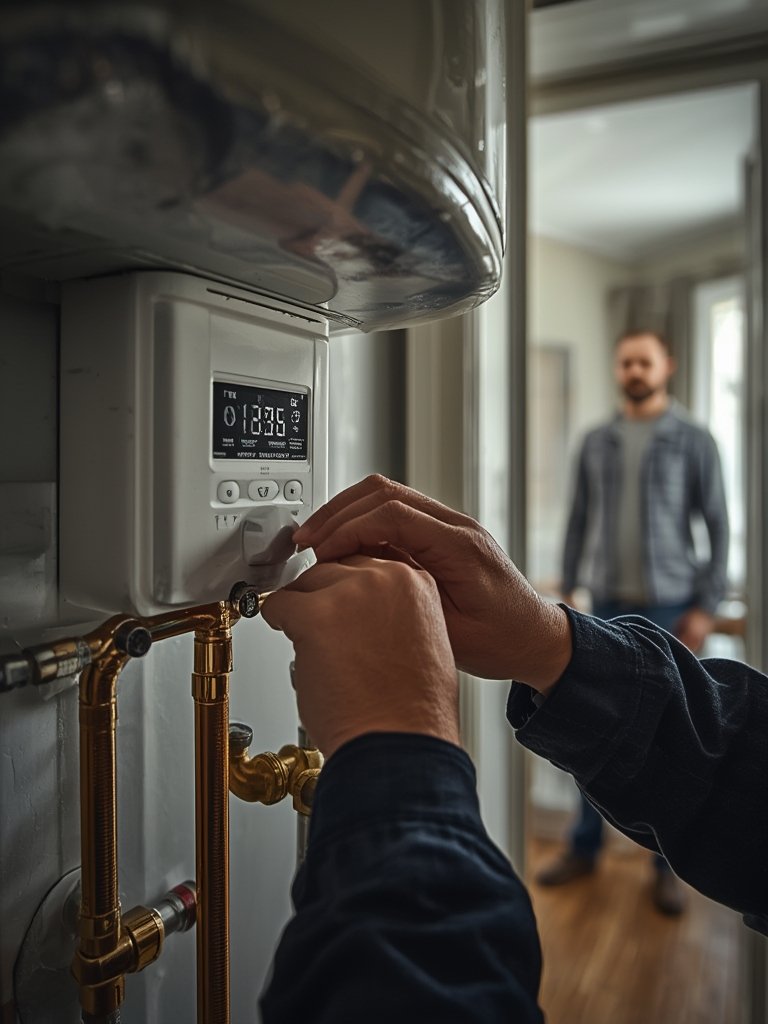
Don’t forget: some hidden costs can eat into your rebate. Many installs require panel upgrades or new circuits, especially in older homes. Clearly ask your installer to include all permit, electrical, and potential prep costs in their bid.
If you want to learn more about hybrid water heater setups, check out our resources on hybrid water heater comparison and heat pump vs gas water heater for performance breakdowns and cost details.
Advanced Analysis and Common Pitfalls
Not all heat pump water heater rebate experiences are smooth. Here’s what real homeowners and installers are running into, based on a review of 2024–2025 research data and leading industry sources.
- High upfront cost: Expect $2,800 to $8,000 for a professional install—sometimes double or more the cost of a basic tank heater. Prices spike for large tanks or if your electrical panel needs work.
- Complicated installation: Installers need to manage debris, ensure adequate airflow, possibly reinforce floors for heavy units, and plan for condensate drainage. DIY is strongly discouraged.
- Maintenance and noise: You’ll need a pro for yearly maintenance (around $300) to preserve rebates and warranties. Some owners complain about operational noise, especially if the unit is in a living area.
- Running out of hot water: Incorrectly sized tanks or poor settings may limit your supply—ask your installer about your household’s peak demand and consider a hybrid model for backup resistance heating.
- Hidden and recurring fees: Permits, electrical upgrades, and annual maintenance add to lifetime cost. Not all of these are covered in the average installer quote. Always get multiple bids and itemize hidden or “optional” upgrades (see our advice on water heater installation checklists).
| Water Heater Type | Average Installation Cost Range |
|---|---|
| Heat Pump | $2,500–$9,000 [source] |
| Conventional Tank | $600–$4,500 |
| Electric Tank | $2,000–$4,500 |
| Gas Tank | $1,900–$4,500 |
There’s also confusion online about “hybrid” versus “standard” heat pump models. Most heat pump water heaters sold today are technically hybrids (they combine heat pump and electric resistance heating)—and yes, all ENERGY STAR heat pumps, including hybrids, are eligible for the Inflation Reduction Act tax credit. Geothermal and split-system varieties may differ in installation cost and application complexity.
For detailed technical differences and what might suit your climate best, see our head-to-head: heat pump vs electric water heater.

Conclusion
Heat pump water heaters can slash energy bills and reduce emissions, but the road to savings requires care. Claiming every available heat pump water heater rebate is all about knowing your eligibility, collecting proper documentation, and choosing the right installer. Be realistic about upfront and ongoing costs, but remember—the right rebate can put decades of lower hot water bills within reach. Not sure which water heater is right for you? Speak with a pro now for a tailored quote and incentive check.
Frequently Asked Questions
Do heat pump water heater rebates and tax credits expire in 2024 or 2025?
No expiration dates are set for the federal $2,000 tax credit as of 2024–2025; you claim it on your annual tax return for the year your unit is installed. Local incentives may have annual budgets or deadlines—always check with your utility before purchase.
Are both hybrid and conventional heat pump water heaters eligible for the Inflation Reduction Act rebate?
Yes. Both hybrid (integrated with electric backup) and standard ENERGY STAR-certified heat pump water heaters qualify for the $2,000 federal tax credit, provided they are installed in a primary residence and meet efficiency standards.
How much do I really save per year after switching to a heat pump water heater?
Most households can save between $100 and $500 annually on energy bills compared to an electric water heater, according to ENERGY STAR and consumer data. Your actual savings will depend on your utility rates, hot water usage, and home efficiency.
What are the most common “hidden” installation costs that can reduce my net rebate?
Extra costs frequently include permit fees, electrical panel upgrades, carpentry for tank support, and required annual maintenance to keep warranties valid. These often add $300 to $2,000 to total project costs.
Will local utility rebates stack with the federal rebate for my heat pump water heater?
Usually, yes. Most local utility or state-level rebates can be combined with the federal tax credit, provided you follow all program requirements and properly document each step. Ask your utility or installer for confirmation.
—