

EV charger home installation is becoming essential for EV owners who want fast, safe, and cost-effective charging at home. But few guides give you the real numbers, code requirements, or what can actually go wrong. If you’re planning to install a Level 2 charger at home in 2025, you need a clear, realistic roadmap that covers costs, timelines, and trouble spots—before a single wire is run.
Key Takeaways
- Total EV charger home installation cost in 2024-2025 averages $1,600-$1,700, but unexpected panel upgrades or hidden permit fees can push it over $3,000.
- Technical requirements demand a 240V dedicated circuit with a GFCI breaker; hardwired chargers reduce reliability issues.
- Permits, utility rules, and rebate opportunities can be complex—always check local codes and incentives for your area.
- What Is EV Charger Home Installation & Why Does It Matter?
- Step-by-Step Guide to a Successful Home EV Charger Installation
- Advanced Analysis & Common Pitfalls for Homeowners
- Conclusion
- Frequently Asked Questions
What Is EV Charger Home Installation & Why Does It Matter?
Installing a Level 2 EV charger at home means having a fast, reliable charging solution in your garage or driveway. Unlike the slow standard wall plug, Level 2 charging uses a 240V circuit to add up to 60 miles of range per hour, which makes daily EV use much more practical. More automakers are standardizing home charging expectations as battery sizes increase, so what you install today must meet both current and future safety codes.
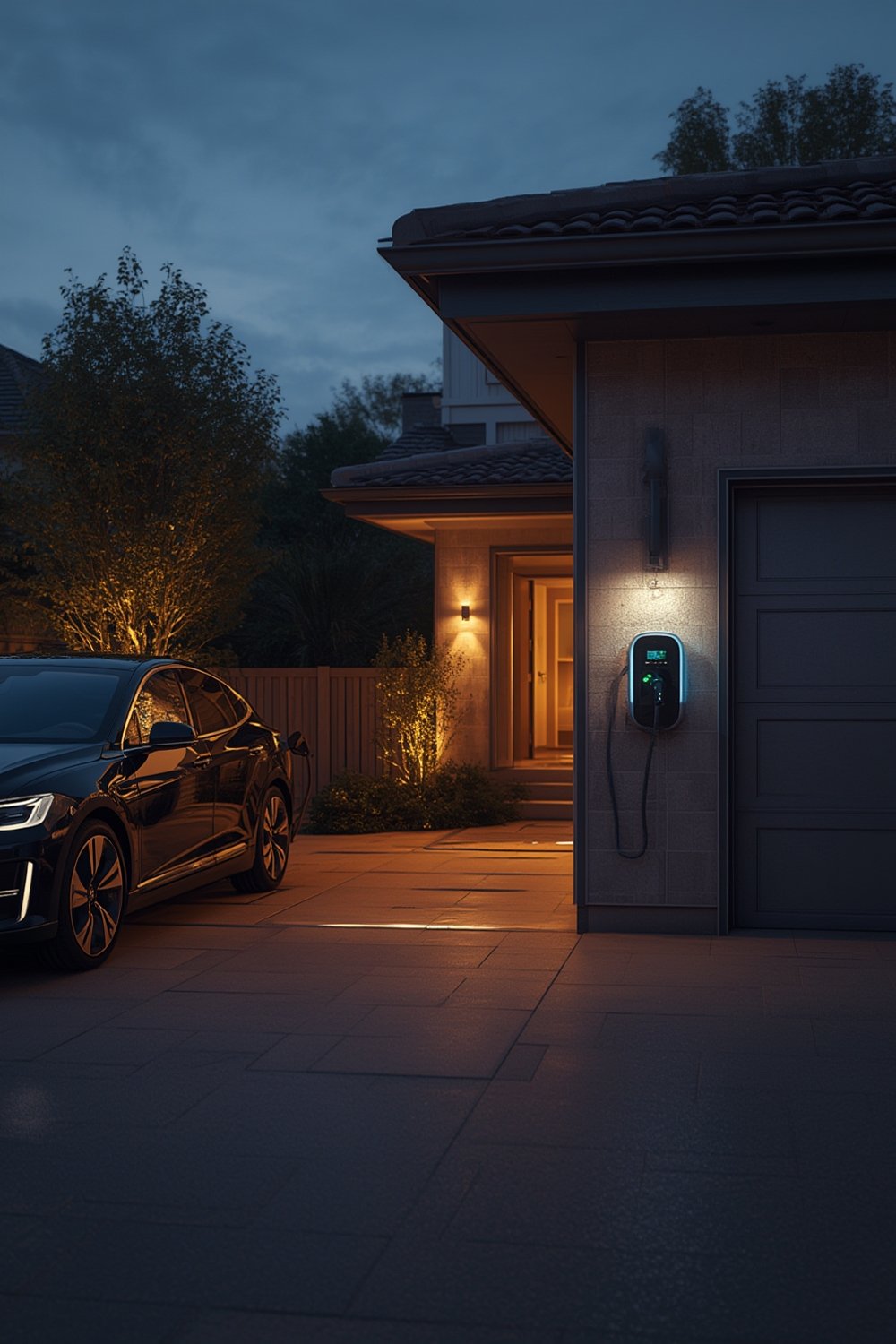
Getting it right affects not only your EV experience but also your home’s electrical safety, resale value, and insurance compliance. Homeowners face rising demand, patchy local permitting rules, and a wide range of equipment choices, which can lead to both hidden costs and technical headaches.
Step-by-Step Guide to a Successful Home EV Charger Installation
-
Assess Your Electrical Panel Capacity
Before anything else, check whether your panel can support a 240V, 40-80 amp circuit. Even if your home is newer, an upgrade may be necessary if you already have many high-demand appliances.
Source -
Research Permit and Code Requirements
Contact your local municipality or a licensed electrician to verify what’s required. Most areas need an electrical permit ($50-$200), with some cities running as high as $800. Skipping this can jeopardize insurance or cause issues during resale.
Source -
Pick the Right Charger Type and Power Level
Choose between hardwired and plug-in (NEMA 14-50) Level 2 chargers. Hardwired models, although $850-$1,800, are more reliable (especially outdoors) and are usually preferred if you want long-term dependability.
Source -
Get Multiple Quotes from Licensed Electricians
Quotes can vary up to 60%. Ask about all possible add-ons: trenching to an exterior post ($10-$25 per foot), concrete pads ($200-$500), and permit handling. Never go with the cheapest or the fastest promise without clearly defined scope. -
Schedule Permitting and Installation
Allow 1-2 weeks minimum for permit approval, followed by 4-8 hours for installation if your electrical panel has enough capacity. Panel upgrades may add several days to weeks to the process.
For more home energy upgrades and incentives, see our guide on Heat Pump Water Heater Rebates for 2025. -
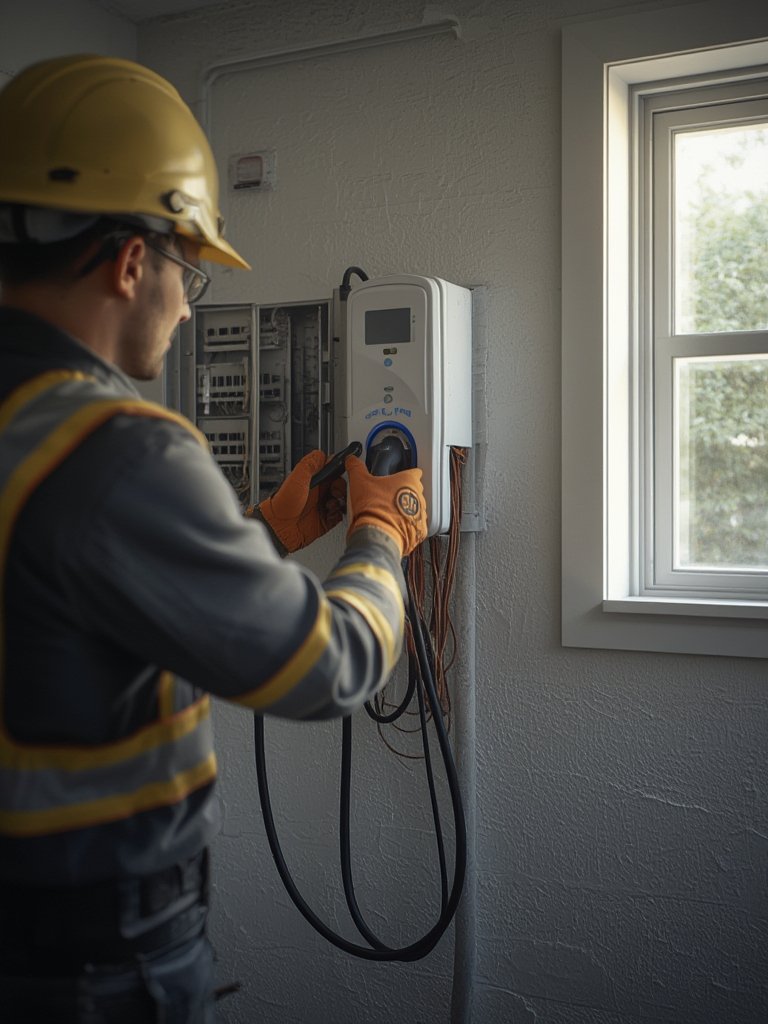
Test and Inspect—Don’t Skip the Final Check
After installation, have your electrician walk you through the charger’s safety features and breaker locations. The city may also require a final inspection—don’t skip it, or your insurance could be void.
Tip: Some utilities require a dedicated meter for EV charging—especially in California or major Northeast cities. This can provide access to better EV rates, but adds cost and time.
Be sure to explore local and federal incentives—such as the 30% Energy Efficient Home Improvement Credit (up to $1,000 on installs) or state rebates, which range from $200-$2,000. For more on rebates, see our resource: Heat Pump Water Heater Rebates.
Advanced Analysis & Common Pitfalls for Homeowners
Many homeowners are surprised by hidden costs and technical headaches that show up after an EV charger home installation. Here’s how to spot them early—and what most “top 10” blog posts don’t mention.
Most Common Homeowner Pain Points
- Electrical Panel Upgrades: If your panel lacks capacity, you may face $1,500–$4,000 in unexpected costs. New builds are less affected, but for homes built before 2000, some upgrade is likely.
Source - Hidden Permit, Trenching, and Outlet Costs: Permitting ranges from $50–$800; trenching to an exterior post can be $10–$25 per foot.
Many guides understate these “soft” costs. - Reliability and GFCI breaker Tripping: Plug-in NEMA 14-50 chargers with GFCI breakers often trip, especially outdoors or in humid garages. Hardwired chargers bypass this issue, supporting long-term peace of mind.
Comparison Table: Hardwired vs. Plug-in (NEMA 14-50) EV Chargers
| Feature | Hardwired | Plug-in (NEMA 14-50) |
|---|---|---|
| Initial Cost (Install + Unit) | $850–$1,800 | $700–$1,400 + possible GFCI |
| Reliability (Outdoors) | High | Lower (risk of tripping) |
| Permits/Inspection Complexity | Usually required | Usually required |
| Compatible Outlets | Not needed | NEMA 14-50, GFCI breaker |
| Upgrade/Swap Ease | Needs electrician | Owner can swap units |
| Future-Proofing | Better (supports higher amps) | Limited by outlet rating |
What Most Articles Miss
- No clear breakdown of regional cost differences—even though California and the Northeast often face higher utility, labor, and permitting costs than the Midwest or South.
- Lack of specifics on state/city permitting timelines, hidden utility meter requirements, or real-world homeowner complaints.
- Little mention of long-term ROI—home Level 2 charging averages $0.04–$0.08 per mile versus $0.12–$0.25 with public DC fast chargers.
For a related guide to home energy savings strategies, visit our energy rebate tips. - Most “pros and cons” lists gloss over reliability problems with GFCI tripping, or how nuisance outages add up over time.
Picking the Right Charger: Features & Efficiency
For 2025, top home EV charger features include:
- Amperage: Look for 40–80 amps (11.5–19.2 kW output) for future-proofing or dual EV households.
- Weatherproof rating: NEMA 3 or 4 rated for outdoor installs.
- Smart features: WiFi/Bluetooth controls, load scheduling, or energy monitoring.
- Universal compatibility: J1772 plug for most brands (Tesla Wall Connector via adapter). See reviews of the Tesla Wall Connector (48A, $475) and other top 2024 models in the Car and Driver Best Home Chargers feature.
Expect $0.04–$0.08 per mile in electricity costs at home, and a payback period of 12–18 months compared to public charging. Detailed ROI can vary by region, so check your local electric rates and see our rebate optimization guide for more strategies on cutting home energy bills.
Don’t forget, most federal and state incentives are time-limited—if you plan to upgrade or install soon, research rebates and file paperwork before your install date.
Conclusion
Done right, EV charger home installation gives you daily convenience, up to 3 times lower fueling costs than gas, and future-proofs your property for growing EV adoption. But with install costs ranging from $800–$3,200 in 2025—and real risks from skipped permits or hidden panel upgrades—it pays to do your homework first. Always use a licensed electrician, verify local rules, and budget extra for “unseen” expenses. Ready to get started with your EV charger installation? Get multiple quotes and double-check code requirements now—your future self (and next buyer) will thank you.
Frequently Asked Questions
What is the total cost of installing a Level 2 EV charger at home in 2025?
Total costs (including equipment, labor, and permits) usually run $1,600–$1,700 on average, but can be as low as $800 or over $3,200 if you need a panel upgrade or have complex site work. See detailed cost sources in this research guide.
How long does the installation process take from start to finish?
From permit submission to final inspection, expect 2–3 weeks total: 1–2 weeks for permit approval and scheduling, then 4–8 hours for installation. If a panel upgrade is required, add another week or more.
Are GFCI breakers always required for home EV charger installations?
Yes, for plug-in (NEMA 14-50) circuits, a GFCI breaker is mandated by code. Hardwired chargers often avoid this problem and are less prone to nuisance tripping, making them a preferred choice for outdoor or humid garages.
Is it worth applying for federal and state rebates?
Absolutely. The federal Energy Efficient Home Improvement Credit (30% up to $1,000) plus state/local rebates ($200–$2,000) can cut your effective cost dramatically. Always verify requirements before starting your installation.
Do I need a permit even if I already have a 240V outlet in my garage?
Usually, yes. Installing or altering a dedicated EV charger circuit nearly always requires a permit and inspection, even if the physical wiring is minimal. Not pulling a permit can void your home insurance.