

### Blog Post:
Air source heat pump installation is now the top way for homeowners to slash energy bills, replace aging furnaces, and boost comfort—especially with 2025 rebates. But major cost ranges, complex retrofits, and cold-weather quirks mean the stakes are high. Before making the leap, here’s exactly what to expect, what can go wrong, and how to qualify for the max incentives.
Key Takeaways
- Full air source heat pump installation ranges from $1,500 for single-zone mini splits up to $22,000+ for large, cold-climate whole-home systems—costs swing wildly by region, home size, and complexity.
- Federal and state rebates can cut $2,000 to $10,000 from upfront prices in 2025, but stacking programs requires careful eligibility checks and documentation.
- Retrofits from gas furnace or central AC can run into major ductwork, electrical, and sizing hurdles—plan for hidden costs and cold-climate premium requirements.
- Understanding Air Source Heat Pump Installation
- Air Source Heat Pump Installation: Step-by-Step Guide
- Advanced Analysis & Common Pitfalls
- Conclusion
- Frequently Asked Questions
Understanding Air Source Heat Pump Installation
Air source heat pump installation means adding a device that uses refrigeration—and outside air—to heat and cool your home with much less energy than traditional furnaces. These systems come in single or multi-zone mini splits, central ducted versions, or dual fuel hybrids. The key draw: efficiency up to three times a gas furnace in moderate climates, lower emissions, and high rebates through 2025.
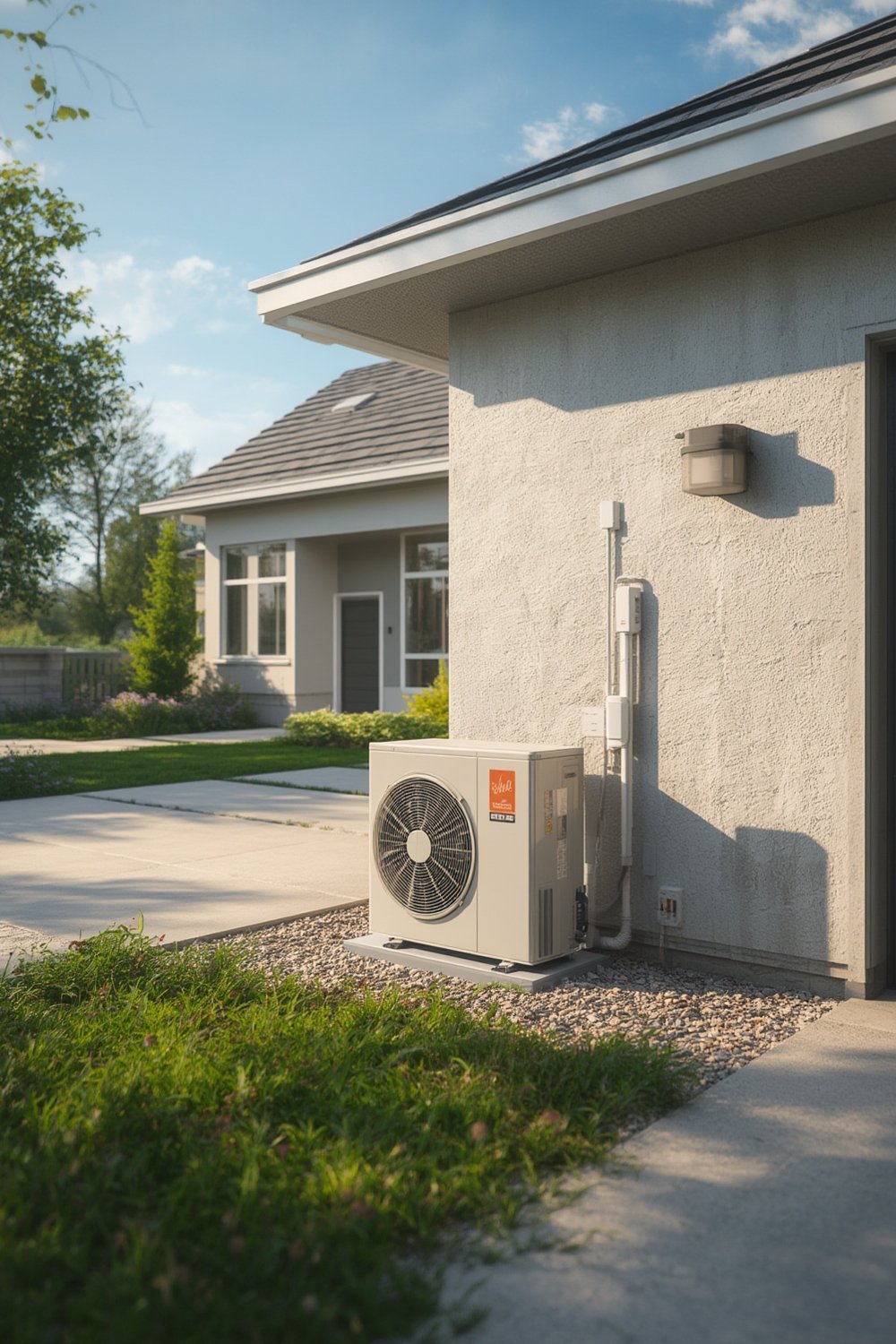
Costs and performance are highly variable. Single-zone units start around $1,500 in low-cost regions, but large central or multi-zone set-ups in states like Massachusetts or Colorado easily reach $16,000-$22,000 before rebates. Labor often rises on retrofits due to ductwork, wall penetration, electrical upgrades, and access constraints.
Why choose air source heat pump installation? Lower lifetime utility bills, eligibility for federal and local incentives, and the flexibility to heat or cool only occupied rooms. But, especially in cold winter climates, premium equipment and expert installation are critical to avoid high bills or comfort issues.
Air Source Heat Pump Installation: Step-by-Step Guide
If you want to get air source heat pump installation right—and unlock the highest rebates—follow these concrete steps:
- Assess your home’s needs. Map every space for heating and cooling demand. Note if you’re replacing a gas furnace or want whole-home cooling as well. List insulation upgrades—it can shrink the pump needed and cut total price.
- Get at least three quotes—preferably localized. Specify “cold-climate certified” if you’re in the Northeast, Midwest, or Rockies. Compare options: ductless vs. central, single vs. multi-zone, and review labor and permit line items. Get bids in writing, including all add-ons.
- Research your rebate stack. Check the federal tax credit (Form 5695) for 30% up to $2,000, then pursue local programs (like Mass Save’s $10,000 or Xcel Energy’s $2,200 in Colorado—see details at this guide). Read all fine print: ENERGY STAR certifications, installer requirements, and primary residence rules.
- Plan for retrofits. If switching from gas or electric resistance, budget for duct or wall modifications (often $1,800+), plus new 220V circuits ($600+) and permit fees ($300-$1,500). Sizing must match home square footage (e.g., 2.5 ton for 1,800 sq ft, or 3.5–4 ton for larger homes). Incorrect sizing drives up bills and shortens equipment life.
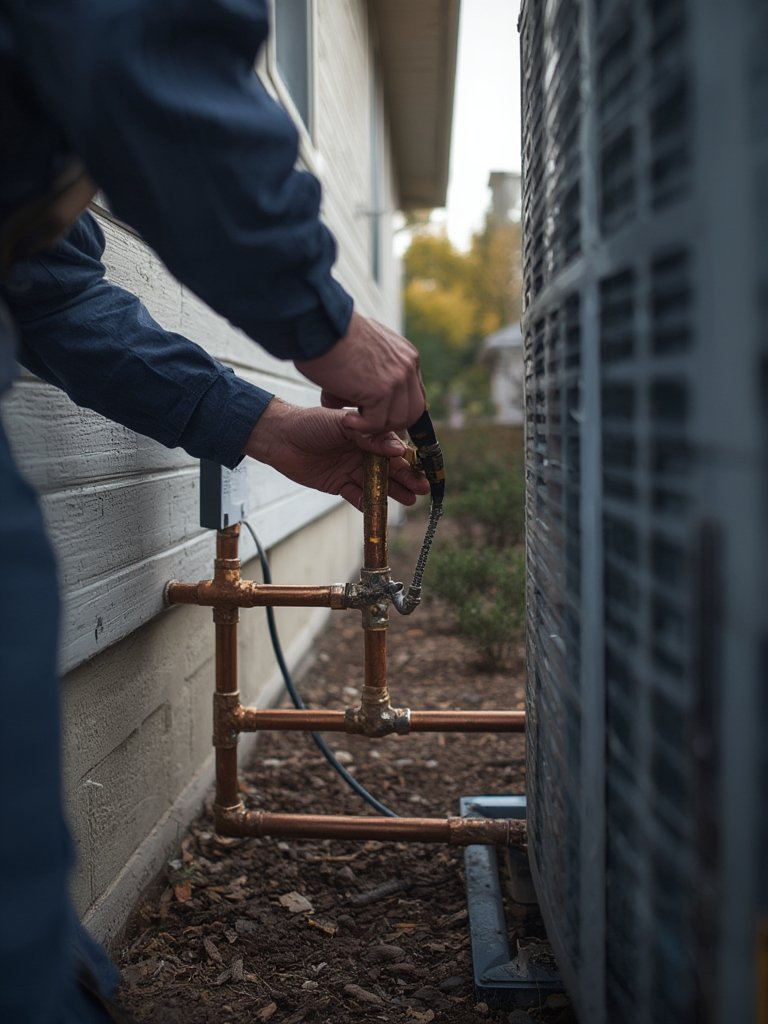
- Schedule professional installation. Expect one to three days including electrical, refrigerant piping, outside unit mounting, and test/commissioning. Extra zones or hard-to-reach walls lengthen the project. Confirm all paperwork for rebate claims is completed by the installer.
- Claim your incentives. For the federal credit, file the appropriate IRS form the next tax season. Utility and state rebates may need online or in-person submission of itemized receipts and proof of ENERGY STAR compliance. Double-check all deadlines—some offers are “first come, first served.”
- Schedule follow-up and ongoing maintenance. Most air source systems need annual service. If you’re using a heat pump water heater as well, coordinate appointments for bundled savings (heat pump water heater rebate tips).
Upgrading? Learn about whole-home generator installation to keep your system running during outages.
Advanced Analysis & Common Pitfalls
While air source heat pump installation is smart for many homes, it comes with hidden challenges—especially on older homes or harsh climate retrofits. Costs, performance, and eligibility can shift quickly. Here’s what often trips up even the most careful buyers:
| System Type | Total Cost Range | Notes by Size/Region |
|---|---|---|
| Single-Zone Mini-Split | $1,500-$5,000 | Low-cost regions (FL/TX); small homes [source] |
| Multi-Zone Mini-Split | $5,000-$11,000 | Scales with zones; high-cost regions +20-40% [source] |
| Central Air-Source | $8,000-$20,000 | 3-4 ton large homes; cold regions higher (Denver $16,000 avg) [source] |
| Hybrid/Dual Fuel | $2,500-$10,000 | Add-ons for existing ducts; moderate/mild regions [source] |
Key Pitfalls:
- Retrofit surprises: Duct transitions, tight wall spaces, or distance between outside and indoor units often require hours of extra labor—unexpected bills of $3,500–$7,000 are common on older homes.
- Cold climate performance: Standard air source heat pumps lose output below 20°F, forcing upgrades to premium variable-speed “cold climate” units, which cost 20-40% more and sometimes need supplemental heat. If you retrofit in places like New York or Colorado, budget for this from the start.
- Electrical and permit upgrades: Multi-zone or central heat pumps require 220V circuits and proper panel sizing. Add $600–$1,500 for electrical work, especially for EV charger-ready homes or older houses needing full panel upgrades.
- Sizing issues: Many installers still oversize (or undersize) systems, especially during furnace swaps. This leads to either high bills or poor comfort. Accurate manual J load calculation is essential.
- No field data on efficiency: Most manufacturers don’t publish real-world cold weather test results. Look for the best technical specs you can (COP and HSPF), but be aware results in your region will vary.
For crawl space or attic installs, learn more about crawl space encapsulation costs to make sure ducts and equipment stay dry and efficient.

Conclusion
Air source heat pump installation is a proven way to modernize home heating and cooling, especially when layered with available 2025 rebates. But costs, compatibility hiccups, and cold-climate requirements make expert guidance and advance planning non-negotiable. Assess your home’s specific needs, stack rebates, and insist on professionally sized, certified equipment to avoid pitfalls.
To get started with your own air source heat pump installation—and unlock the highest incentives—request local bids and compare system options. For complete energy savings, also explore solar battery backup integration for your home.
Frequently Asked Questions
What is the average cost of air source heat pump installation in 2025?
Nationally, air source heat pump installation costs range from $1,500 to $5,000 for a single-zone system and up to $22,000+ for cold climate multi-zone or central systems. Regional swings are significant—expect to pay 20-40% more in California, New York, or Massachusetts, and 10-20% less in Texas or Florida. See data here.
How do I qualify for the 2025 heat pump tax credit?
You must purchase and install an ENERGY STAR certified air source heat pump and use it in a primary residence. The federal tax credit is 30% of system cost, capped at $2,000, and claimed using IRS Form 5695 after installation. Stackable with most state/utility rebates.
What problems can I face when replacing a gas furnace with an air source heat pump?
Most challenges include duct modifications ($1,800+), electrical upgrades (220V, $600+), and sometimes costly panel or permit updates. Extra labor is likely for routing lines, especially in older homes. If your house is large or lacks insulation, expect higher installation and equipment costs.
Are air source heat pumps efficient in freezing weather?
Basic models lose capacity and efficiency below 20°F, but cold-climate (variable speed) models work down to 0°F with reduced output—these come at a premium cost. Field data is scarce, so always verify your installer is familiar with cold-weather units if you live in a northern state.
How does maintenance compare between heat pumps and furnaces?
Air source heat pumps generally require annual filter changes and coil cleaning. Their lifespan is 15-20 years—slightly less than gas furnaces (often 20+ years), but heat pumps can have lower ongoing costs if sized and installed properly. Always factor in climate and local service availability.