

Garage door insulation kit projects are one of the simplest and most affordable upgrades for homeowners wanting better comfort, lower energy costs, and real noise reduction in attached or detached garages. Whether you want to keep the garage cool in summer, reduce cold air in winter, or simply make the space usable all year, knowing your options for garage door insulation is essential.
Key Takeaways
- DIY garage door insulation kits are cost-effective for most attached garages and can be installed in just a couple of hours.
- R-value, installation method, and kit type vary widely—choose based on your climate, garage use, and expectations.
- There are meaningful real-world benefits, but some pitfalls exist, such as limited long-term data, condensation risks, and safety concerns with certain upgrades.
- What Is a Garage Door Insulation Kit and Why Use One?
- How to Install a Garage Door Insulation Kit
- Advanced Analysis & Common Pitfalls
- Conclusion: Is a Garage Door Insulation Kit Worth It?
- Garage Door Insulation Kit FAQ
What Is a Garage Door Insulation Kit and Why Use One?
Garage door insulation kits are pre-packed materials—reflective foils, Fiberglass batts, or rigid foam panels—designed to fit inside standard metal garage door panels. The main goal is to slow heat transfer through your garage door, making the space more temperature-stable and energy efficient. On average, a single uninsulated door can represent 30 to 40 percent of the garage’s exterior wall area, making it a primary source of unwanted heat and cold inflow.
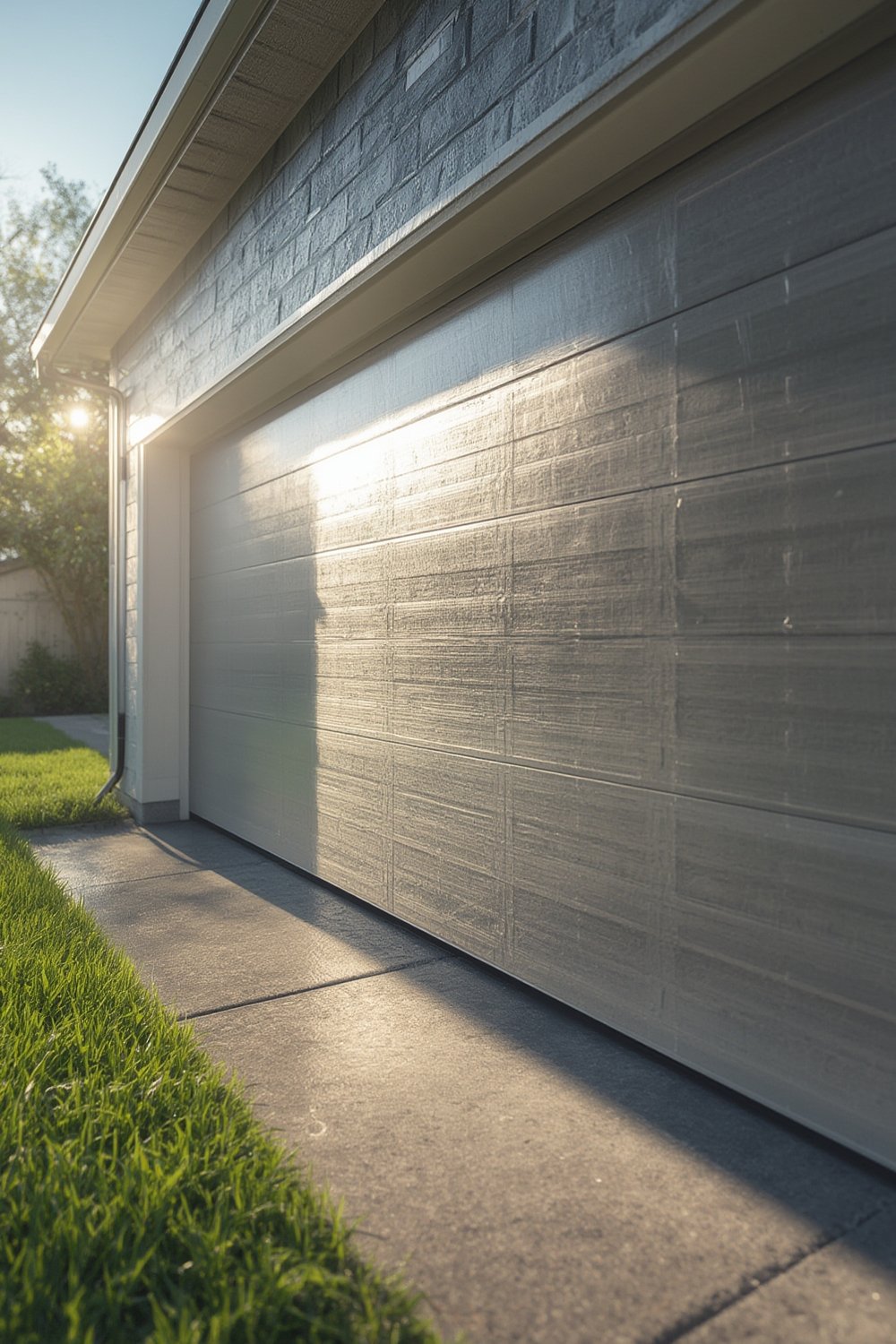
For homeowners in regions with hot summers or frigid winters, using a garage door insulation kit is a practical DIY upgrade. These kits work especially well in attached garages, helping prevent loss of conditioned air from the home and even lowering your HVAC load. According to energy efficiency specialists, after upgrading with insulation and applying good weatherstripping, many users report reduced drafts, a more comfortable workspace, and some degree of energy savings (source).
If you’re also considering other energy efficiency measures for your home, see our guides on heat pump water heater rebates or EV charger home installation.
How to Install a Garage Door Insulation Kit
Installing a garage door insulation kit is a realistic weekend project for most DIYers. Here’s a detailed step-by-step plan to help you get great results with any common kit type:
- Choose the right kit: For best results, pick a product with a good R-value for your climate. Owens Corning’s fiberglass batts (R-8) are reliable for cold regions, while Reflective barrier kits (R-3–R-5) work well for moderate climates. If you want a neat finish, consider rigid foam panels like Matador (R-4.8).
- Measure and Clean: Measure each garage door panel before ordering. Wipe down the inside of your door so adhesives or pins stick properly.
- Gather tools: Most kits require just a tape measure, utility knife, and straight edge. Some may include adhesive, retainer pins, or double-sided tape.
- Cut to Fit: Trim insulation panels to match each section. Panels should fit snugly but not bulge.
- Install Insulation: Insert or attach the insulation, following the instructions. Reflective or bubble kits are usually pressed in place; batts and foam panels can use retainer pins or adhesives.
- Seal Gaps: Add bottom and perimeter weatherstripping for maximum benefit.
- Check Door Balance: After adding insulation, manually operate the door to ensure it still opens and closes smoothly. Heavy kits may affect spring tension—adjust only if you are qualified, or call a professional.
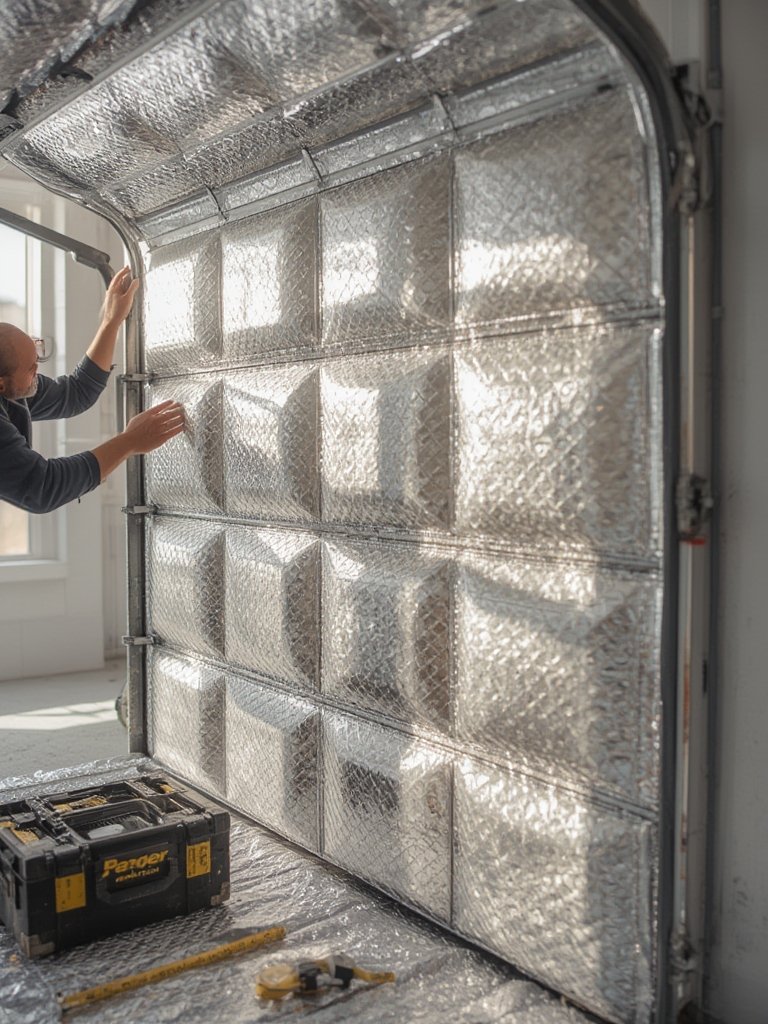
Installation generally takes under two hours for a standard single door. For best comfort, consider air-sealing other parts of the garage (similar to crawl space encapsulation) as well.
Advanced Analysis & Common Pitfalls
While most insulation kits deliver meaningful improvements, not all products and installations perform equally. Here’s a closer look at common pitfalls, researched performance data, and how to avoid costly mistakes.
Typical R-Values by Kit Type
| Kit Type | R-Value Range | Pros | Cons |
|---|---|---|---|
| Reflective barrier (Reach Barrier 3009) | R-3 to R-5 | Very easy install, lightweight, good for sun/heat | Lower R-value, less effective in extreme cold |
| Fiberglass batts (Owens Corning 722579) | R-8 | Good for all climates, best overall insulation value | Needs cutting, sensitive to moisture, may irritate skin |
| Rigid foam panels (Matador SGDIK001) | R-4.8 | Clean look, washable | More expensive, may require two kits for double doors |
Common Pitfalls
- Underestimating Size: Many DIYers buy too little material for two-car doors—double-check your size and number of panels.
- Door Balance & Safety: Each pound of added weight can affect spring tension. If the door jerks, drags, or does not stay open, seek a pro. Serious safety hazards exist with improper spring adjustments (source).
- Moisture Traps: Fiberglass and bubble kits can trap condensation if not combined with proper ventilation—especially risky in humid climates.
- Performance Gaps: R-values for most kits lag far behind a full replacement insulated door, which can deliver up to R-19 (source).
- Lack of Warranty: Most kits do not advertise clear warranty coverage. If this matters, email the manufacturer before buying.
- ROI Limits: Without published studies, exact payback or energy savings is difficult to predict. Temperatures inside the garage can improve by 12°C (Owens Corning kit in winter) or 15–40°F in hot regions (source)—but your utility bill impact may be moderate.
Many users find that pairing insulation with other improvements—like improved HVAC (see HVAC replacement costs) or basement waterproofing—delivers the best whole-home results.

Conclusion: Is a Garage Door Insulation Kit Worth It?
For under $200 and a few hours of your time, a quality garage door insulation kit will help regulate garage temperatures and reduce outside noise, especially for attached garages. Benefits are most evident in garages that connect to a conditioned space, and when paired with new weatherstripping and proper door balance. However, there are real gaps in published long-term data and warranties, so results and durability can vary. If you want an all-in, permanent solution or the highest R-value, consider a professional insulated garage door replacement—but for most homeowners, a garage door insulation kit is a smart, budget-friendly upgrade.
Ready to cut drafts, save energy, and enjoy a more comfortable garage? Compare insulation kits, measure carefully, and start your project today.
Garage Door Insulation Kit FAQ
How much can a garage door insulation kit lower my energy bills?
There is no published percentage, but energy savings are noticeable for attached garages, especially in extreme climates. The true payback varies by door type, insulation used, and your local utility costs.
What’s the difference between reflective, foam, and fiberglass garage door insulation kits?
Reflective kits are good for radiant heat and easy DIY installs, but lower insulative value. Rigid foam offers a clean look and washable surface. Fiberglass batts provide the highest DIY R-value but may require more time and care during installation.
Will adding insulation affect my garage door opener or springs?
Yes, extra weight can unbalance the door and stress the opener. If you notice the door struggling, call a pro to adjust the springs. DIYers should never attempt spring adjustments themselves due to safety risks.
How can I avoid condensation or mold issues inside insulated garage doors?
Make sure to combine insulation with good weatherstripping and proper garage ventilation. In particularly humid areas, avoid “vapor closed” insulation without airflow, and inspect for moisture regularly.
Is a garage door insulation kit a good DIY project for beginners?
Yes. Most kits can be installed with basic hand tools in under two hours. Always follow instructions and work safely around moving doors.