

### Blog Post:
Permeable driveway installation offers a smart solution for homeowners who want an eco-friendly, attractive, and stormwater-compliant driveway. Whether you are building new or replacing a traditional surface, knowing the cost, installation process, and real-world pros and cons can help you make the best decision for your property.
Key Takeaways
- Permeable driveway installation costs more up front than traditional options, but it manages stormwater and meets eco-friendly goals.
- Maintenance like cleaning and sand replacement is required to keep surfaces unclogged and functional.
- Proper installation is critical to performance—skimping on labor or site prep leads to expensive issues later.
- What Is Permeable Driveway Installation and Why Choose It?
- Step-by-Step Guide to Permeable Driveway Installation
- Advanced Analysis & Common Pitfalls
- Conclusion
- Frequently Asked Questions
What Is Permeable Driveway Installation and Why Choose It?
Permeable driveway installation uses specially designed materials—like pavers, porous asphalt, or pervious concrete—to allow water to pass through the surface and into the ground. Unlike standard concrete or asphalt, these systems reduce stormwater runoff that can cause erosion and overwhelm sewers. They’re increasingly favored for sustainable landscaping, especially where local stormwater ordinances require permeable surfaces.
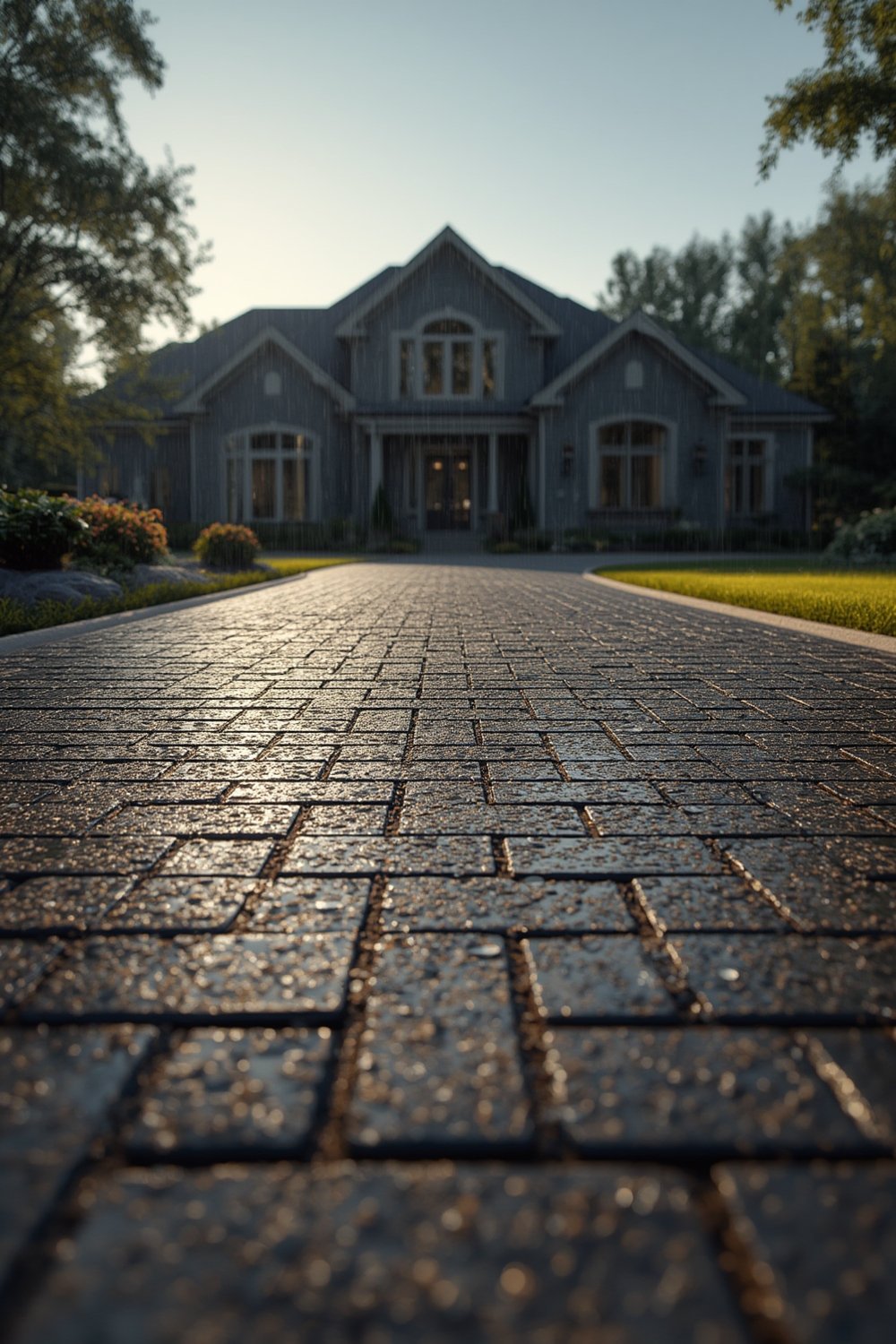
Not only do permeable driveways help the environment, but they can also boost curb appeal. You will find a range of looks—from stone pavers to subtly finished concrete—that suit most modern homes. However, choosing permeable paving means being realistic about the added upfront cost and the need for ongoing maintenance compared to conventional driveways. Expect to pay between $5,000 and $12,000 for a typical two-car driveway (640 square feet)—that’s a bit more than standard options, but the benefits add up over time. (Source)
Step-by-Step Guide to Permeable Driveway Installation
If you’re considering a do-it-yourself permeable driveway installation or want to know what a contractor’s process should look like, follow these essential steps:
- Site Assessment and Planning
- Check for local permit or zoning requirements. This is vital in regions with strict stormwater rules.
- Mark utilities—to avoid expensive, dangerous mistakes during excavation.
- Decide between permeable pavers, pervious concrete, or porous asphalt. Costs and performance vary. Pavers ($8–$40/sq ft), pervious concrete ($8–$16/sq ft), and porous asphalt ($7–$13/sq ft) all need different prep and maintenance. (Details)
- Excavation and Grading
- Dig 12-24 inches for the base (depth varies by soil and rainfall).
- Grade the sub-base for proper drainage—flat but sloped enough to prevent water pooling around the home.
- Installing the Base Layers
- Add layers of clean, angular gravel per product and engineer specs (often 6-8 inches compacted).
- If required, install filter fabric to prevent soil mixing into the base aggregate.
- Compress each layer fully—skipping this step is the most common mistake for DIY-ers.
- Laying the Permeable Surface
- For pavers, set bedding sand or gravel, then install each paver snug, leaving designed joints.
- For pervious concrete or porous asphalt, pour and finish as directed. These mixes are less forgiving than standard—don’t let them dry out or compact improperly.
- Fill paver joints with clean sand or fine gravel and compact again.
- Finishing Touches
- Sweep and rinse the surface to remove construction residue.
- Check perimeter for solid edging to prevent creeping or spreading.
- Apply initial sealant if recommended for your system.
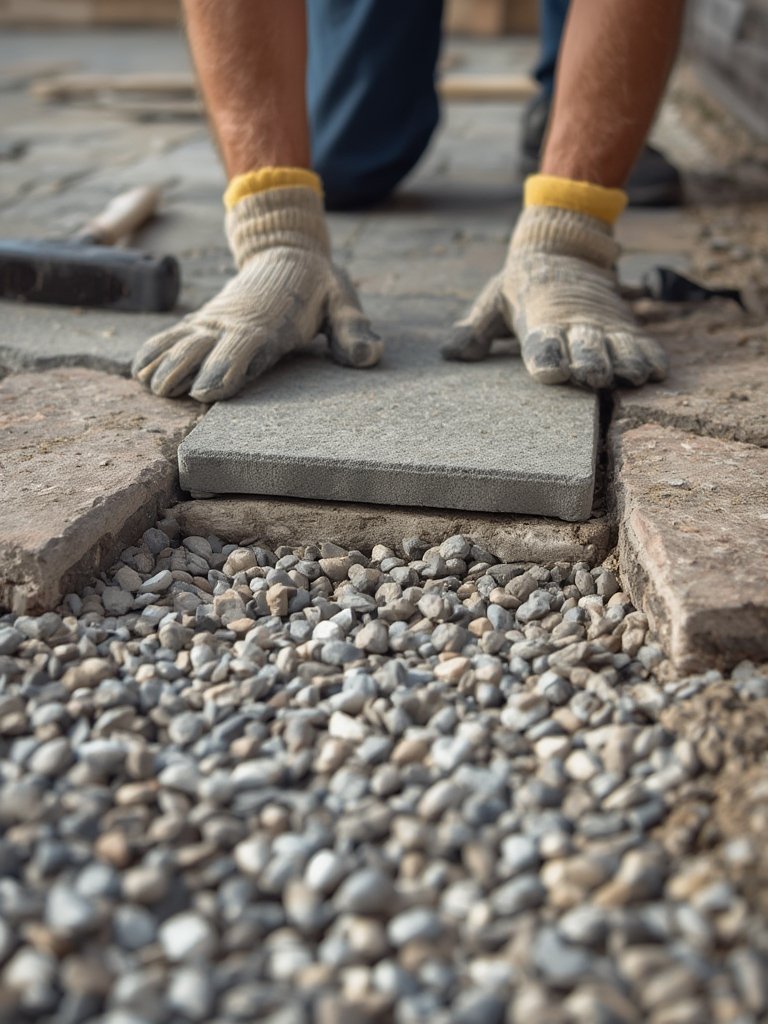
Keep in mind, professional installation ensures you meet local stormwater rules and avoid structural issues down the road. Labor averages $5–$11 per square foot, but correct installation saves headaches and replacement costs later (Planner5D Source).
If you’re weighing other big upgrades, see how this compares to window replacement or roof replacement in overall investment.
Advanced Analysis & Common Pitfalls
While permeable driveway installation offers many benefits, it’s not a plug-and-play solution for every property or climate. Here’s what to watch for:
- Higher Upfront Costs: Permeable systems cost up to 20 percent more than conventional driveways. Materials, skilled labor, and deeper base prep drive the price higher than standard concrete or asphalt. (More info)
- Ongoing Maintenance: To stay truly permeable, these systems need annual or semi-annual cleaning—pressure washing or vacuum sweeping to avoid clogged joints and surface. Replacing joint sand or gravel is another regular task.
- Potential for Clogging: In areas with lots of tree debris or dust, the driveway can clog, preventing drainage. Once clogged, these systems become just as impermeable as standard surfaces, requiring deep cleaning or partial rebuilding.
- Variable Performance in Freeze-Thaw Climates: There is little long-term comparative data. However, permeable pavers generally last longer than gravel in these conditions—less rutting or shifting. But, freeze-thaw cycles can challenge some installations if the base was not deep or well-drained enough.
- Regulations May Vary: Major cities may require licensed installers or specific inspection. Always check local code and stormwater guidelines.
| Type | Materials | Labor | Total Installed Cost | Annual Maintenance |
|---|---|---|---|---|
| Permeable Pavers | $5–$30 | $5–$11 | $8–$40 | $0.50–$1.50 |
| Pervious Concrete | $8–$16 | $5–$11 | $13–$27 | $0.75–$2.00 |
| Porous Asphalt | $7–$13 | $5–$11 | $12–$24 | $0.50–$1.00 |
| Standard Concrete | $6–$12 | $3–$6 | $9–$18 | $0.25–$0.75 |
| Standard Asphalt | $4–$6 | $3–$6 | $7–$12 | $0.20–$0.60 |
Maintenance costs can add up. Skipping cleaning can mean starting over much sooner than the 20+ years a well-maintained permeable driveway should last.
For those interested in related home upgrades that also impact durability and water control, check our guides on basement waterproofing or crawl space encapsulation.
Conclusion
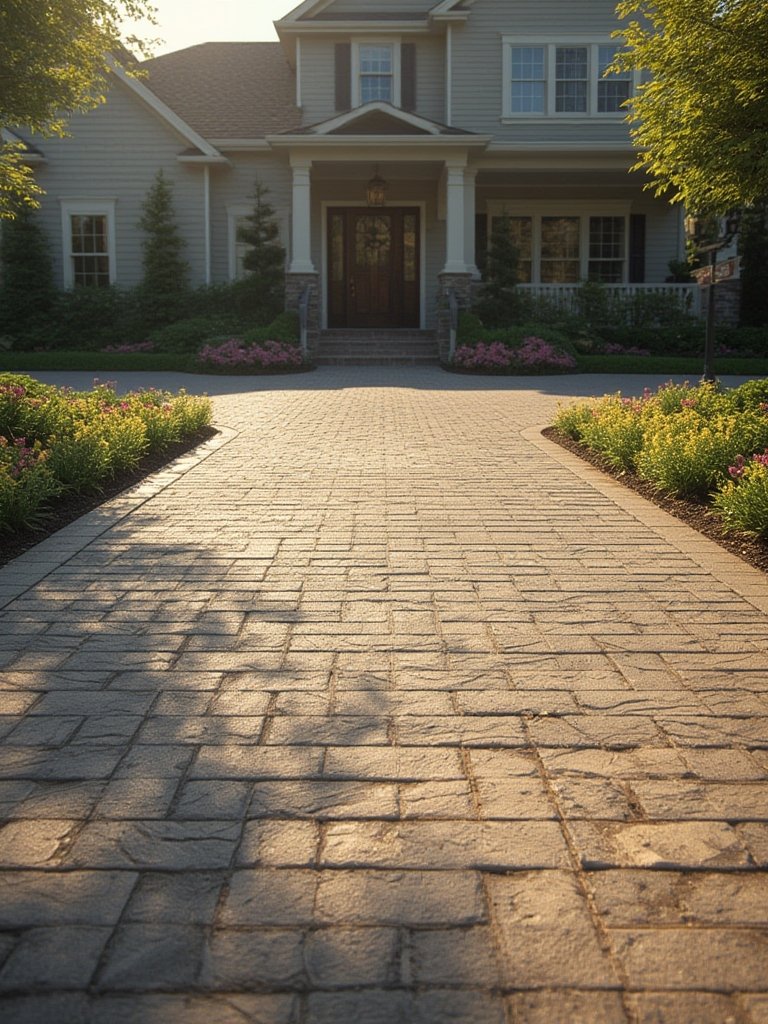
Permeable driveway installation is a smart investment for eco-conscious homeowners who want to reduce runoff and satisfy stricter stormwater requirements. Upfront costs run higher and maintenance takes effort, but in the right setting, these systems outperform traditional driveways for both function and looks. Ready to start your permeable driveway installation or compare options for your home’s value? Get in touch with a trusted contractor or research further with our other upgrades like solar battery backup or heat pump installation.
Frequently Asked Questions
How much does permeable driveway installation cost per square foot?
Expect to pay between $6–$15 per square foot for permeable concrete or asphalt, and $8–$40 per square foot for permeable pavers. Costs vary by materials, site conditions, and region. (Source)
What maintenance does a permeable driveway need?
Permeable driveways need sweeping, pressure washing, or vacuum cleaning at least once or twice a year. Joint sand or gravel should be replaced as needed to keep water draining properly.
Is a permit required for permeable driveway installation?
Many municipalities require a permit, especially in areas with strict stormwater rules. Always check local code before starting, or choose a contractor experienced in these installations.
How does permeable pavement reduce stormwater runoff?
Permeable driveways let rain and meltwater soak through the surface, reducing runoff that would otherwise go to city sewers. This helps limit flooding and pollution from untreated stormwater.
Are permeable driveways suitable for cold or freeze-thaw climates?
Yes, but only if installed with a deep, well-drained base. Permeable pavers usually outperform gravel in freeze-thaw cycles, but improper installation can lead to premature failure regardless of type.
—