

### Blog Post:
Induction cooktop conversion is rapidly becoming the go-to choice for American homeowners seeking to upgrade their kitchens for safety, efficiency, and environmental reasons. With new incentives, regulatory mandates, and shifting buyer preferences, understanding the real process and pitfalls is essential before making the switch. This guide covers what the market research does—and doesn’t—reveal, and arms you with actionable strategies for a smooth conversion.
Key Takeaways
- Induction cooktop adoption is surging due to rebates, sustainability goals, and changing regulations, but conversion may require serious electrical upgrades.
- Many homeowners underestimate installation complexity and overlook critical details like cookware compatibility and hidden costs.
- Doing your homework—on electrical requirements, rebates, cookware, and safety—prevents headaches and maximizes long-term value.
- Understanding Induction Cooktop Conversion
- Step-by-Step Guide: How to Convert from Gas to Induction
- Advanced Analysis & Common Pitfalls
- Conclusion
- Frequently Asked Questions
Understanding Induction Cooktop Conversion
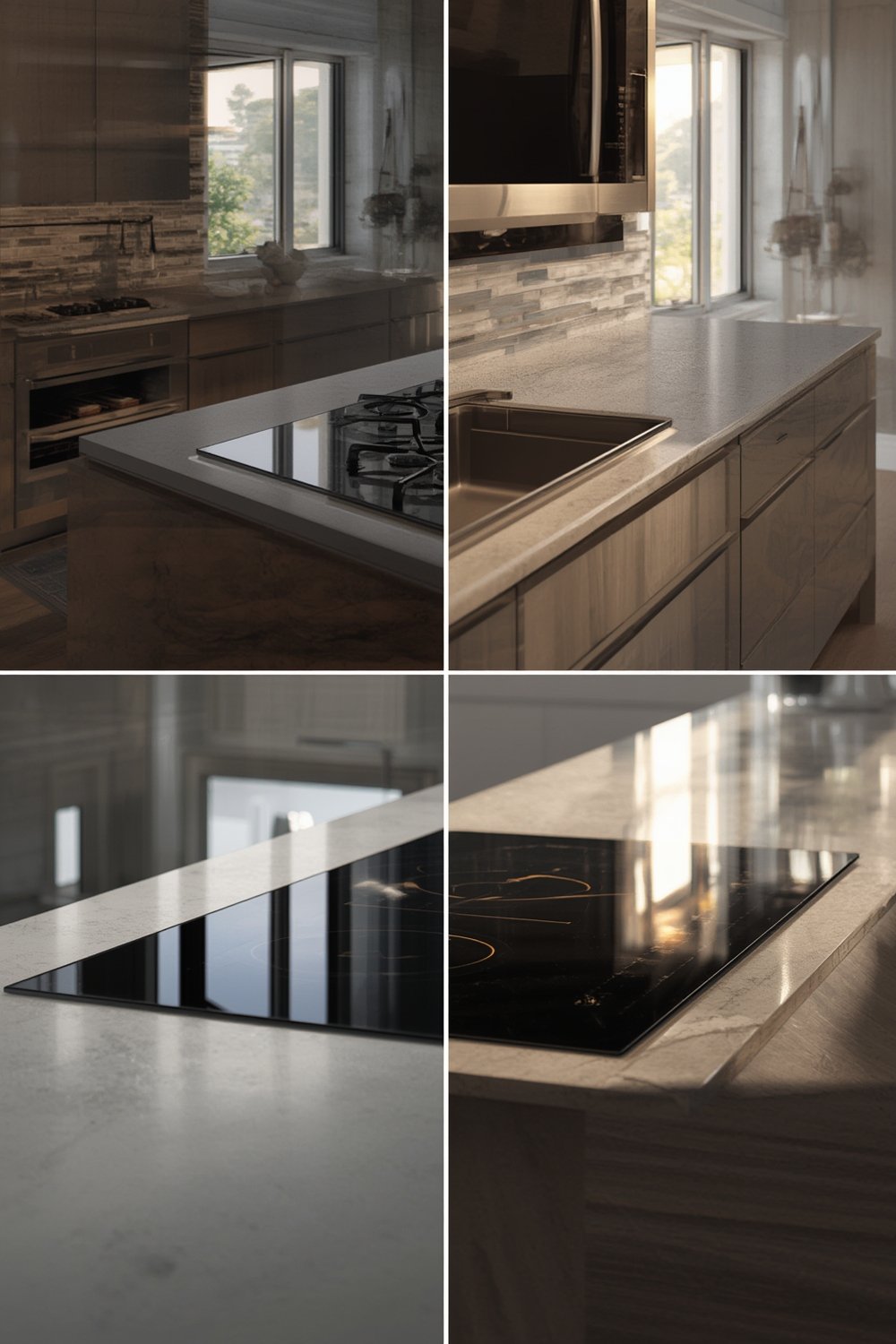
At its core, induction cooktop conversion means swapping a traditional gas or electric coil stove for an induction unit. Induction technology uses electromagnetic fields to heat compatible cookware directly, offering faster response, precise control, and major energy efficiency. The rapid rise in conversions—a quadrupling to 4.3 million US homes by early 2024 [Source]—is being driven by:
- Federal and state rebates covering up to $840 per home for built-in induction ranges [Source].
- Urban building codes (like New York City’s Local Law 154), which now mandate all-electric kitchens in thousands of units.
- Consumer demand for quicker, cleaner, and safer cooking—over 70% of Americans are now considering induction for their next kitchen upgrade [Source].
However, actually making the switch involves more than just buying a new appliance. It’s a process that includes assessment, potential electrical work, permits, and sometimes new cookware.
Step-by-Step Guide: How to Convert from Gas to Induction
Converting your kitchen from gas to induction is more physical planning than most expect. Here’s how to approach it in real life:
-
Confirm Compatibility & Assess Kitchen Power
- Induction cooktops require a dedicated 240V (not just standard 120V) circuit and, often, a 20-40 amp breaker. Most gas stoves only use 120V for ignition and controls.
- If you have an old electrical panel, you may need a panel upgrade—especially in homes with 15-amp circuits or limited spare slots.
- Check your kitchen cutout size (30 or 36 inches are common), venting, and counter clearance.
-
Budget & Apply for Incentives
- Induction cooktops range from $499 (e.g., Empava 24-inch) to $6,899 (Wolf 36-inch premium)—with many quality units in the $700-$1,500 range [Source].
- Apply for the Inflation Reduction Act rebate (up to $840) through your state’s designated energy office. This can often offset most, if not all, the price difference over gas models.
-
Hire (the Right) Professionals
- Get bids from licensed electricians for the 240V line installation and, if required, panel upgrades. Average installation can range from $500 to $2,500 depending on your home’s wiring, length of run, and code requirements.
- If your municipality requires a permit, factor in the approval and inspection process—rules vary widely. Confirm your contractor is insured and pulls any required permits.
- If you are replacing a slide-in gas unit, hire a plumber to cap the gas line safely (do not just turn it off yourself).
-
Assess Cookware Compatibility
- Induction cooking only works with magnetic cookware—cast iron, enameled steel, and most new stainless steel pans will work. Aluminum, copper, and glass will not, unless they have an induction-friendly base.
- To test, hold a magnet to the bottom of your pot or pan: if it sticks firmly, it’s compatible. Otherwise, budget $100-$400 to replace key pieces.
- Some brands offer “induction conversion plates” that let you use non-magnetic cookware with reduced efficiency, but this can defeat the main benefits.
-
Install, Inspect, and Start Cooking
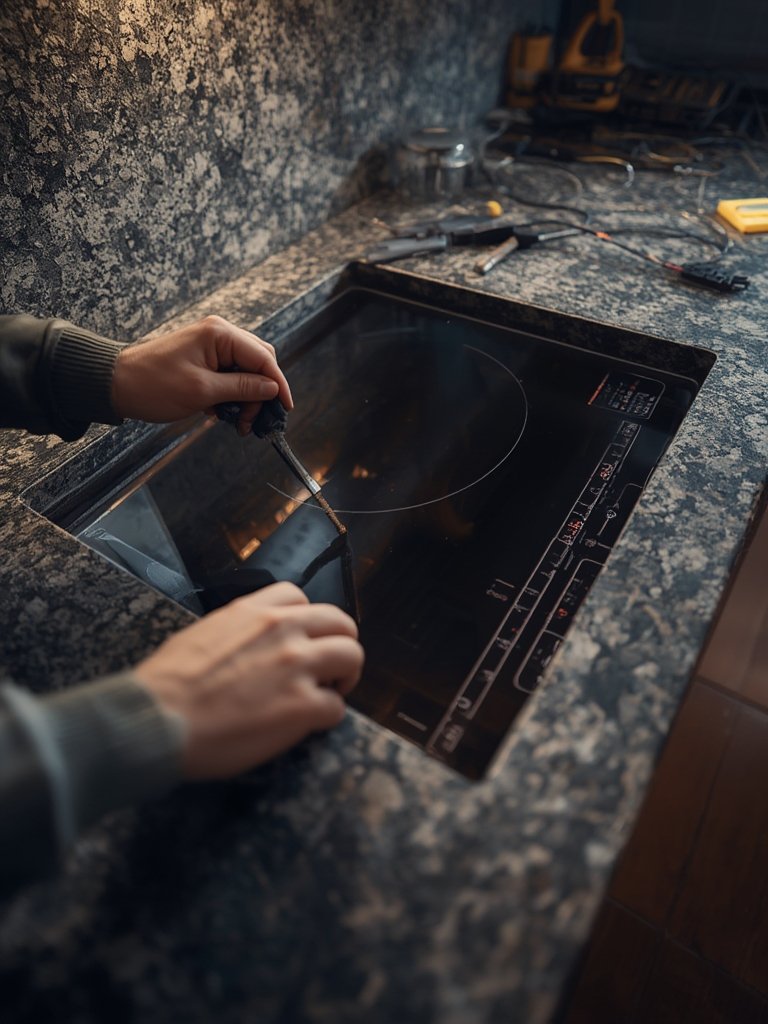
- Remove the old gas range, have a pro terminate the gas line, and install your new Induction cooktop conversion on the proper circuit.
- Test all functions, especially touch controls or smart connectivity. Make sure to review the learning curve—some users find touch controls less intuitive than knobs at first [Source].
- Read the warranty and register your appliance to take advantage of service or future rebate opportunities.
For a more holistic energy upgrade, pairing induction with other electrification projects like a heat pump water heater, home EV charger, or solar battery backup can optimize your efficiency and future-proof your home.
Advanced Analysis & Common Pitfalls
While the growth is real, induction cooktop conversion isn’t painless. Here’s what homeowners actually struggle with:
- Undersized Electrical Service: Four-zone induction units can require up to 7,400 watts—well above what fifteen- or twenty-amp circuits in older homes can safely deliver. If your panel is maxed out, you could be looking at a $1,000-$3,000 upgrade, on top of appliance costs.
- Permit Confusion: Many cities classify kitchen electrification as major work, requiring multiple inspections and even zoning approvals. Skipping this can risk insurance issues or failed home sales.
- Learning Curve: Real-world user tests show that touch-control induction cooktops can require three times as long to set a simmer compared to familiar knobs—especially for senior users or renters [Source].
- Hidden Cookware Costs: In many households, only 50-70% of existing pots and pans will work directly on induction. Budget for new cookware if you rely on non-magnetic favorites.
- No Independent Safety or Emissions Studies: Publicly available research is sparse on topics like EMF exposure or absolute energy-bill savings versus gas over time.
| Aspect | Gas Stove | Induction Cooktop |
|---|---|---|
| Average Equipment Cost | $500-$2,500 | $499-$6,899 |
| Installation Complexity | Medium – requires gas line | High – may require new 240V circuit |
| Energy Efficiency | 30–40% | 80–90% |
| Indoor Air Pollution | Emits NOx, CO, particulates | None (no combustion) |
| Cookware Compatibility | Any | Magnetic only |
| Learning Curve | Very Low | Low-Medium (controls, heat profiles) |
Real cost breakdowns are tough to find, but between appliance, electrical, installation, permitting, and cookware updates, out-the-door conversion totals can run $1,000–$4,000 before rebates. Researching every requirement before purchase is the best insurance against mission creep or buyer’s remorse.
For homes already mid-renovation or with ongoing projects like crawl space encapsulation or spray foam insulation upgrades, consider bundling electrical work to minimize disruption and harness labor efficiencies.
Conclusion
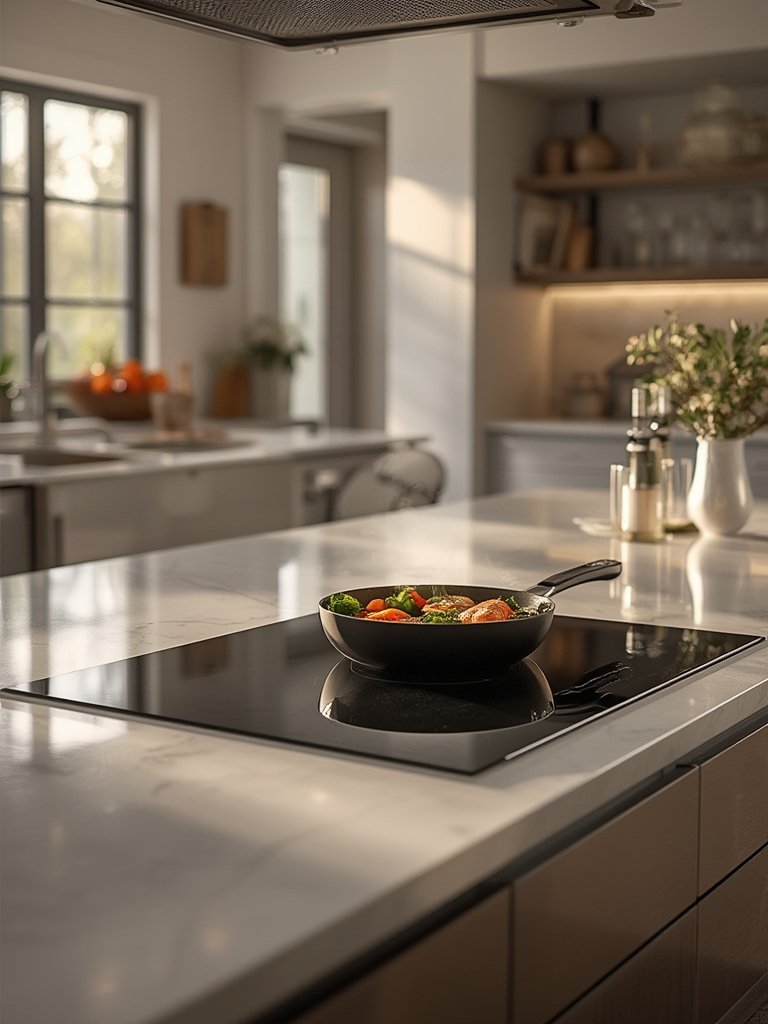
Induction cooktop conversion promises cleaner kitchens, lower emissions, and faster, more precise cooking. But it’s not a drop-in swap—you need to plan for electrical upgrades, invest time in registering for incentives, and possibly refresh your cookware. The benefits are real, but only if you anticipate the realistic hurdles and budget accordingly. If you’re serious about induction cooktop conversion, start by mapping your electrical panel, checking your cookware, and talking to a pro who understands both local code and rebate processing. Ready to electrify your kitchen for the future? Start your plan today.
Looking for guidance on other home energy upgrades or conversions? Explore our guides on air source heat pump installation, generator installation, or window replacement costs for 2025 to maximize your home’s efficiency and resilience.
Frequently Asked Questions
Does converting from gas to induction increase my home value?
Induction cooktop conversion is seen as a modern, energy-efficient upgrade in many real estate markets. Houses with updated kitchens and all-electric features often attract eco-minded buyers and future-proof your home as gas bans expand. However, in some markets, buyers still favor gas for high-heat cooking—so consult a real estate professional in your region.
What is the average cost to convert from gas to induction?
Appliance cost typically ranges from $700–$2,000 for a built-in induction cooktop. Professional electrical work and installation add $500–$2,500, and replacing incompatible cookware can cost $100–$400. After applying rebates, total out-of-pocket costs frequently land between $1,000 and $2,500.
Can I DIY the installation, or do I need a licensed electrician?
Electrical upgrades to 240V service and proper breaker sizing should always be handled by a licensed electrician. Improper wiring can cause electrical fires, failed inspections, or void your new cooktop’s warranty. Gas line termination must also comply with local code, which often requires a licensed plumber.
Will I need to replace all my pots and pans?
You’ll need cookware with a magnetic base for induction to work—cast iron, most enameled steel, and many stainless pans. Test yours with a magnet: if it sticks, they’re compatible. Otherwise, budget for a cookware upgrade.
Are induction cooktops truly safer than gas or electric coil ranges?
Induction cooktops eliminate open flames and reduce surface temperatures, lowering burn and fire risks. They also eliminate the risk of gas leaks and decrease indoor air pollutants. However, the cooktop surface still gets hot from contact with pots, so basic caution is still needed.
—