

Basement waterproofing cost can be the deciding factor between a dry, safe living space and one riddled with leaks and damage. With unpredictable weather and aging homes, understanding the real price tag for waterproofing—in your region and by method—can help you avoid both sticker shock and disaster.
Key Takeaways
- Basement waterproofing prices in 2024 typically range from $2,459 to $8,190, but costs vary dramatically by region and project scope.
- Interior waterproofing solutions are less expensive initially but do not prevent water from entering, while exterior methods cost more but offer long-term protection.
- Fine print and warranty differences are often left unexplained by leading cost guides, so homeowners must clarify terms directly with contractors.
- What is Basement Waterproofing Cost? Why Does It Matter?
- Step-by-Step Guide: Estimating and Reducing Basement Waterproofing Cost
- Advanced Analysis & Common Pitfalls in Basement Waterproofing
- Conclusion
- FAQ: Basement Waterproofing Cost
What is Basement Waterproofing Cost? Why Does It Matter?
Whether you’re dealing with stubborn seepage or want to prevent future flooding, understanding basement waterproofing cost is essential. On average, U.S. homeowners spend between $2,459 and $8,190 for basement waterproofing in 2024, with a national average hovering around $5,000 to $5,231.
The final figure depends on several factors including geography, basement size, the underlying water issue, and whether you opt for interior or exterior solutions.
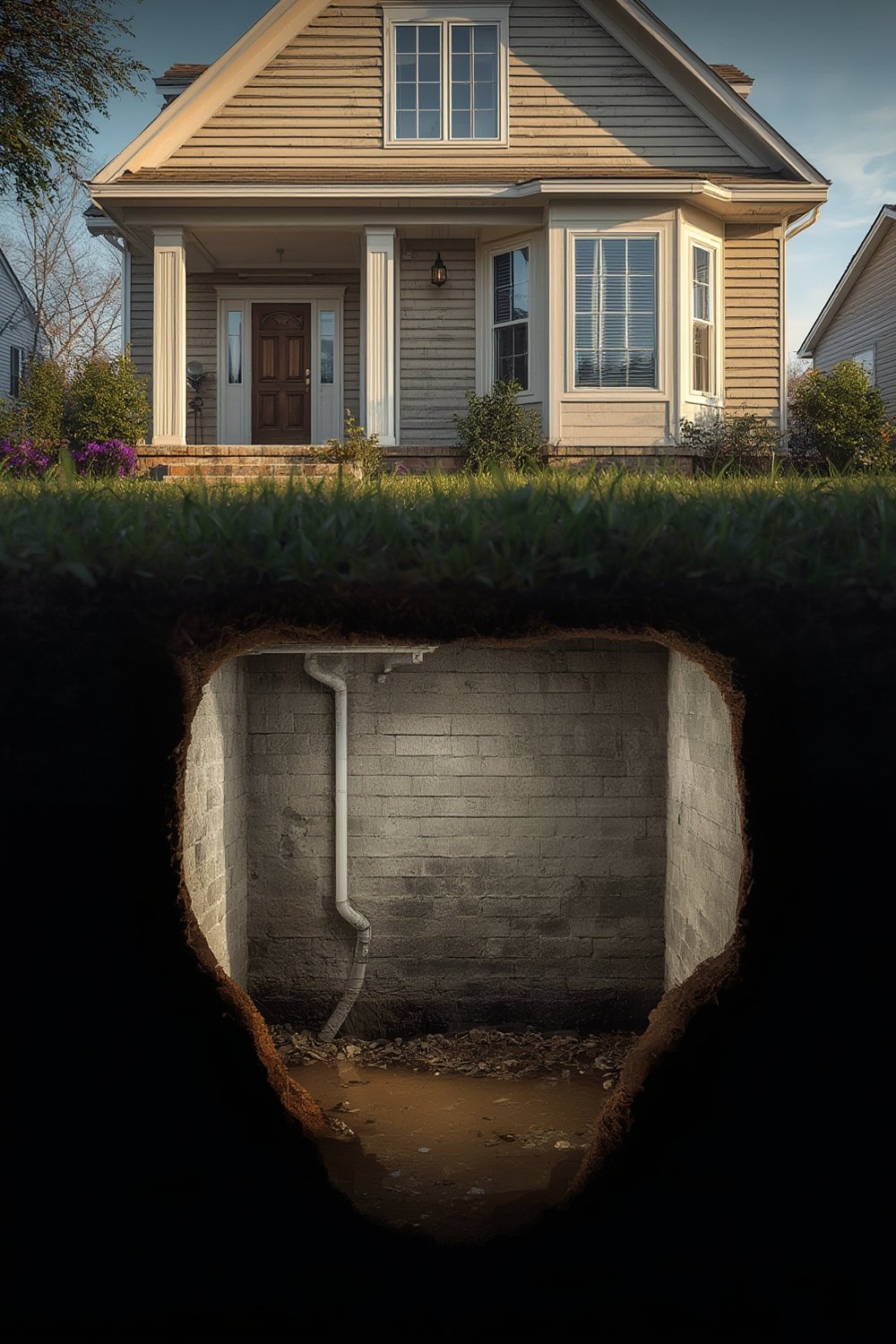
Costs are far from uniform across the country. For example, Florida residents pay anywhere from $2,000 to $10,000 (average $4,000 to $6,000), while in New York, jobs may range from $4,000 to $15,000 depending on borough and scope. On a per-square-foot basis, typical costs run between $3 and $10.
Interior waterproofing methods use drainage channels, sump pumps, and sealants, costing a more affordable $2,000 to $6,000. Exterior waterproofing, which means excavating around your foundation and installing membranes, averages from $7,000 to $15,000. If you need both solutions, it’s not unusual for the bill to reach $18,000 or more (Source: This Old House).
Basement waterproofing cost is a vital consideration for anyone wanting to protect real estate value and ensure healthy indoor air. Overlooking or underestimating the true price can result in spotty fixes and recurring moisture problems.
Interested in costs for other essential home upgrades? Learn more about window replacement cost in 2025 or heat pump installation to compare project investments.
Step-by-Step Guide: Estimating and Reducing Basement Waterproofing Cost
Calculating your basement waterproofing cost doesn’t need to be a guessing game. Here’s a systematic way to estimate potential expenses and make choices that suit your budget without sacrificing durability.
- Identify the water problem: Check for visible leaks, mold, or moisture. Not all issues need the same fix.
Minor surface dampness might only require dehumidifiers and crack sealing. Continuous water intrusion often calls for full-scale drainage or exterior solutions. - Measure the affected area: The size of your basement (in linear or square feet) has a direct impact. French drains generally cost $70 to $100 per linear foot, making precise measurement crucial for an accurate estimate (Modernize.com).
- Compare interior and exterior quote ranges:
- Interior systems (pumps, drainage): $2,000 to $6,000 nationwide.
- Exterior waterproofing (excavation, membranes): $7,000 to $15,000, and potentially more in complex situations or urban locations.
Total costs can surpass $18,000 if both methods must be joined. For regions with unique climate or foundation conditions, like Florida or New York City, expect quotes at the high end—sometimes $15,000 or more (ZAVZA Seal).
- Evaluate the French drain option: For persistent seepage, especially along floor edges, interior French drains are popular. These cost $2,000 to $6,000 for full basements, but specialized or exterior French drains in places like Florida can run $5,000 to $15,000 or more. Crawl space encapsulation costs may follow similar price models where standing water is an issue.
- Factor in hidden costs: Don’t overlook mold abatement, drywall or flooring repair, and the price of restoring landscaping after major excavation. These may add $500 to $3,000 or more to your total.
- Ask about DIY potential: For minor issues, DIY solutions (sealants, patching, improving grading) may cut costs to $500 to $1,500. But these rarely solve persistent or major problems. DIY spray foam insulation is possible for other home upgrades, but waterproofing is risky and can backfire—especially on finished spaces.
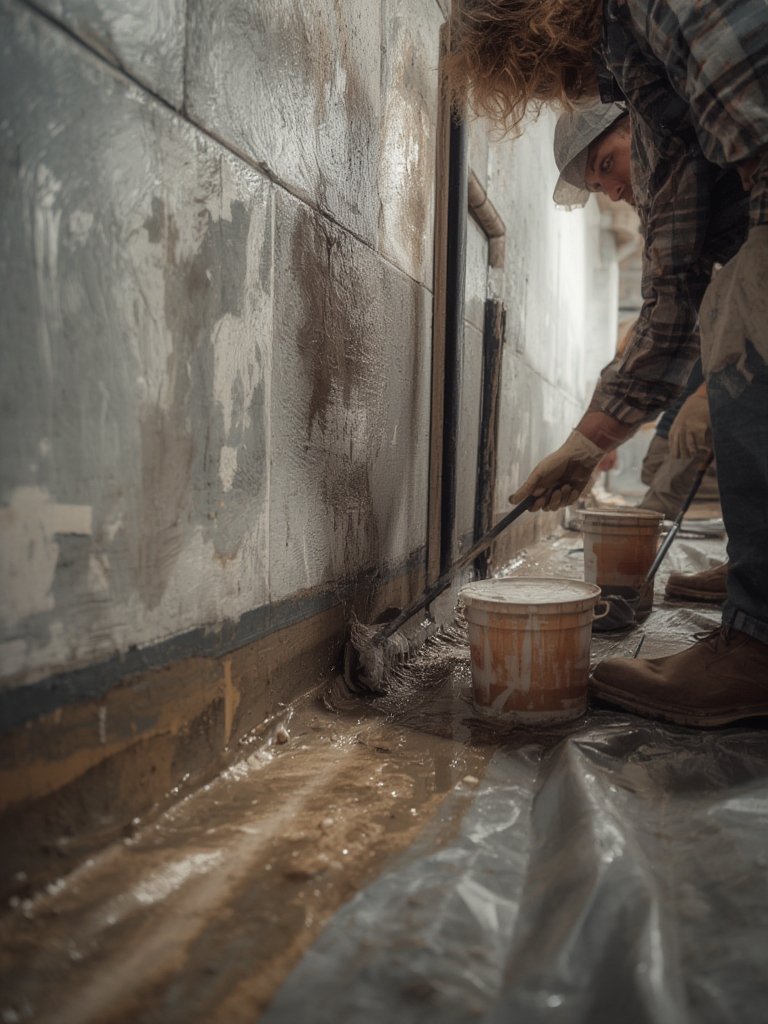
Regardless of your path, always ensure that warranties are spelled out—few national guides cover the warranty length or what’s not covered. With most contractors not posting warranty details publicly, demand clear, written terms up front.
Looking to future-proof your investment? Pair your waterproofing with other resilience upgrades, such as whole home generator installation for emergencies, or explore solar battery backup to keep pumps running during storms.
Advanced Analysis & Common Pitfalls in Basement Waterproofing
Basement waterproofing is not just about stopping leaks—it’s also about choosing the right long-term fix for your home and wallet. Here are realistic issues and pitfalls that commonly trip up homeowners:
| Method | Cost Range | Effectiveness (Qualitative) | Common Problems | Longevity & Maintenance |
|---|---|---|---|---|
| Interior Waterproofing | $2,000 – $6,000 | Fast relief for leaks and damp, but water is still entering the structure |
|
Requires occasional pump maintenance; longevity depends on system type |
| Exterior Waterproofing | $7,000 – $15,000+ | Blocks water before it enters; most comprehensive solution |
|
Long-lasting; periodic inspection but minimal maintenance |
| French Drains (Interior) | $2,000 – $6,000 | Redirects incoming water to a pump or drain system |
|
Pump and pipe cleaning each season advised |
| DIY Interior Sealants | $500 – $1,500 | Limited success, best for minor dampness only |
|
Short term; monitor seasonally |
Three less-obvious pitfalls:
- No warranty transparency: Top guides like Angi and HomeAdvisor do not explain warranty coverage or exclusions—yet these are crucial to protecting your investment.
- Incomplete fixes: Patch solutions (such as interior-only) may require rework if the water intrusion worsens or expands, leading to higher total costs over time.
- Maintenance surprises: Interior pumps and drains can clog or fail. Exterior membranes can be damaged by landscaping projects down the road, requiring costly repairs.
Homeowners considering waterproofing as part of a broader retrofit—for instance, while upgrading to an energy-efficient heat pump water heater—should weigh both initial and ongoing maintenance needs.
One more warning: Many popular home improvement sites cite average prices but omit details about the duration of installation, disruptions to your home, or the importance of ongoing sump or drainage maintenance. Always request specifics from your chosen contractor.
Conclusion
Basement water problems are never fun, but planning ahead with smart research can put you in control of your basement waterproofing cost. Regional differences, the choice between interior and exterior methods, and the elusive details surrounding warranties all influence your final bill and long-term peace of mind. Don’t settle for surface-level quotes—get everything in writing, ask detailed questions, and remember that the cheapest fix is rarely the one that lasts.
Ready to tackle your own basement waterproofing cost? Gather multiple bids, push for warranty clarity, and invest in the right solution for your home. For more on making your home resilient and energy-efficient, explore our guides on EV charger installation and other upgrade costs.
FAQ: Basement Waterproofing Cost
How much does it cost to waterproof a basement per square foot?
National averages are $3 to $10 per square foot, depending on the method and the extent of the moisture issue (HomeAdvisor).
Is interior or exterior basement waterproofing better?
Exterior waterproofing is more expensive but prevents water from entering and offers the best long-term protection. Interior waterproofing is a faster, less costly fix but mainly manages water after it enters.
Do all basement waterproofing projects come with a warranty?
No. Warranty terms vary greatly and are often not specified online. Always ask for written warranty details when hiring a contractor.
Can I waterproof my basement myself?
You can use interior sealants for small moisture problems for $500 to $1,500, but DIY approaches are rarely effective for major leaks or chronic flooding.
How long does basement waterproofing last?
Exterior solutions may last decades with little maintenance, while interior systems depend on regular pump upkeep and may need updates every 5–10 years.