

Crawl space encapsulation cost is a crucial factor for any homeowner seeking to protect their property from moisture, mold, and energy loss. Understanding the full range of costs for encapsulation—and what drives them—can help you make a better investment in your home and avoid expensive surprises.
Key Takeaways
- Typical crawl space encapsulation costs range from $2,000 to $20,000, and labor makes up 50%–70% of the total bill.
- Features like dehumidifiers, thick vapor barriers, and complex foundations significantly increase the project price.
- Encapsulation protects against mold, moisture, and pests, but long-term ROI data remains hard to find.
- What Is Crawl Space Encapsulation and Why Does It Matter?
- Step-by-Step Guide to Crawl Space Encapsulation
- Advanced Analysis & Common Pitfalls
- Conclusion
- FAQ
What Is Crawl Space Encapsulation and Why Does It Matter?
Crawl space encapsulation is a process where a heavy-duty vapor barrier seals your home’s crawl space from moisture, pests, and outside air. This barrier usually covers the floor, walls, and sometimes the ceiling, often combined with insulation and a dehumidifier for added protection.
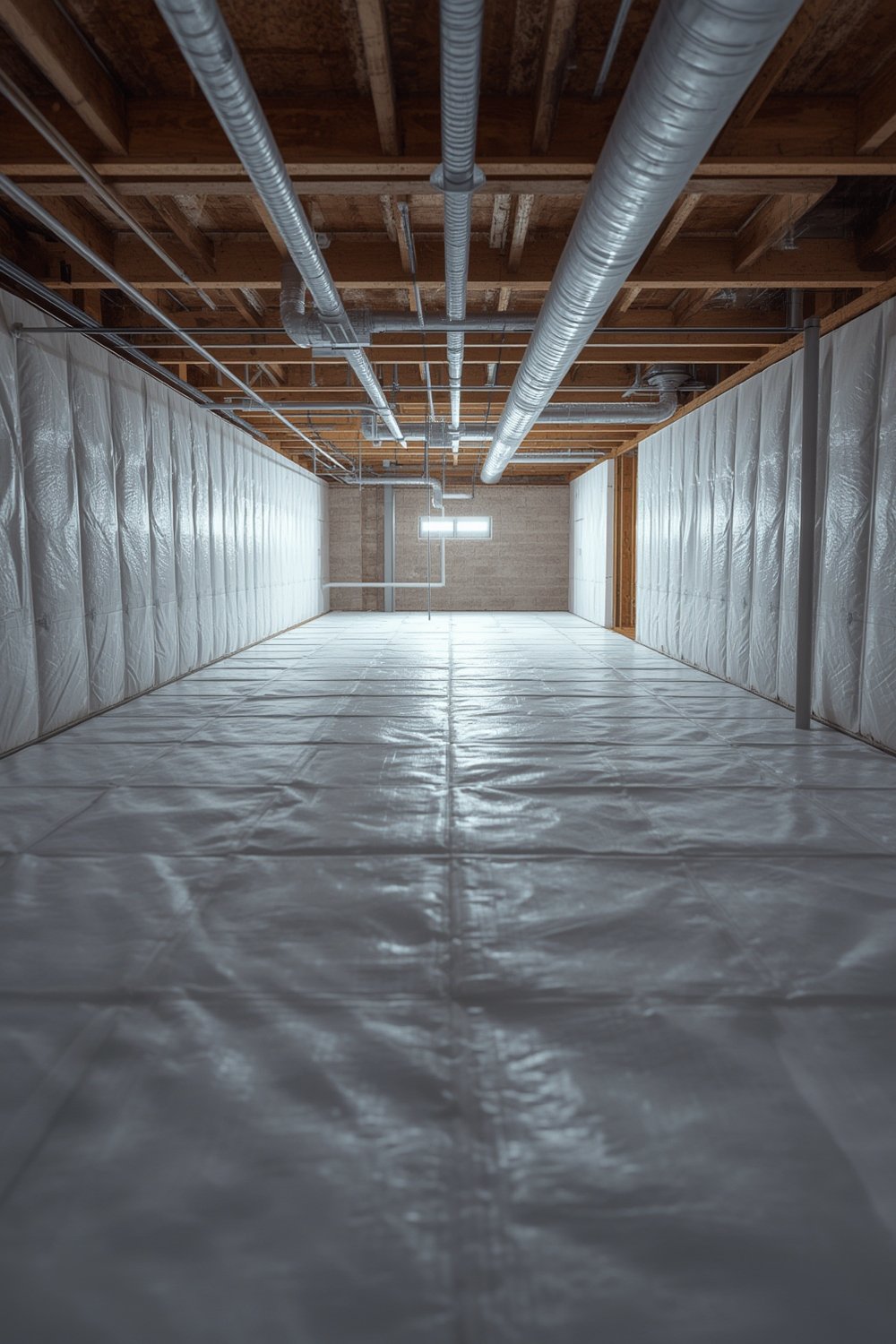
The goal is to prevent moisture from entering the crawl space, addressing issues like mold, pests, and structural decay. Left unresolved, these problems can damage your home, worsen air quality, and even impact your energy bills. That’s why a quality encapsulation, though expensive, offers peace of mind and long-term value for many property owners.
The average crawl space encapsulation cost in 2024 is $5,500. However, depending on your location, the range could be anywhere from $1,500 to $20,000. Pennsylvania, for example, averages $7 per square foot, reflecting regional pricing differences [source].
Encapsulation isn’t the only way to upgrade a crawl space. For some homes, targeting air sealing, insulation, or just vapor barriers may be enough. For more on insulation strategies, check out this guide to spray foam insulation DIY.
Step-by-Step Guide to Crawl Space Encapsulation
If you’re considering encapsulation, here are the primary steps most professional contractors follow. Attempting this project yourself is not impossible, but mistakes can be costly and labor-intensive to fix.
- Inspection & Prep: Remove debris, identify moisture sources, and evaluate for mold or damage. Sometimes, repairs like fixing a sagging floor (costing $1,500–$10,000) are required before encapsulation [reference].
- Waterproofing (if needed): Address standing water, leaks, or drainage issues. Waterproofing alone can add $1,500–$7,000 to the bill.
- Mold Remediation: If mold is present, professional removal may be essential. While encapsulation prevents future issues, sources do not give specific mold removal pricing.
- Install Vapor Barrier: A heavy-duty polyethylene sheet is attached over the entire crawl space floor and walls. Thicker barriers (often at $7+ per square foot) offer better protection but cost more [source].
- Add Insulation & Dehumidification: In most cases, contractors install insulation on the walls or rim joists, and sometimes a dehumidifier (especially in humid climates).
- Seal Vents & Gaps: All crawl space vents and any penetrations are sealed to prevent humidity and pests from entering. The level of attention to detail at this phase often separates a basic job from a high-quality one.
- Final Inspection: Ensure everything is properly sealed and no water intrusion remains.
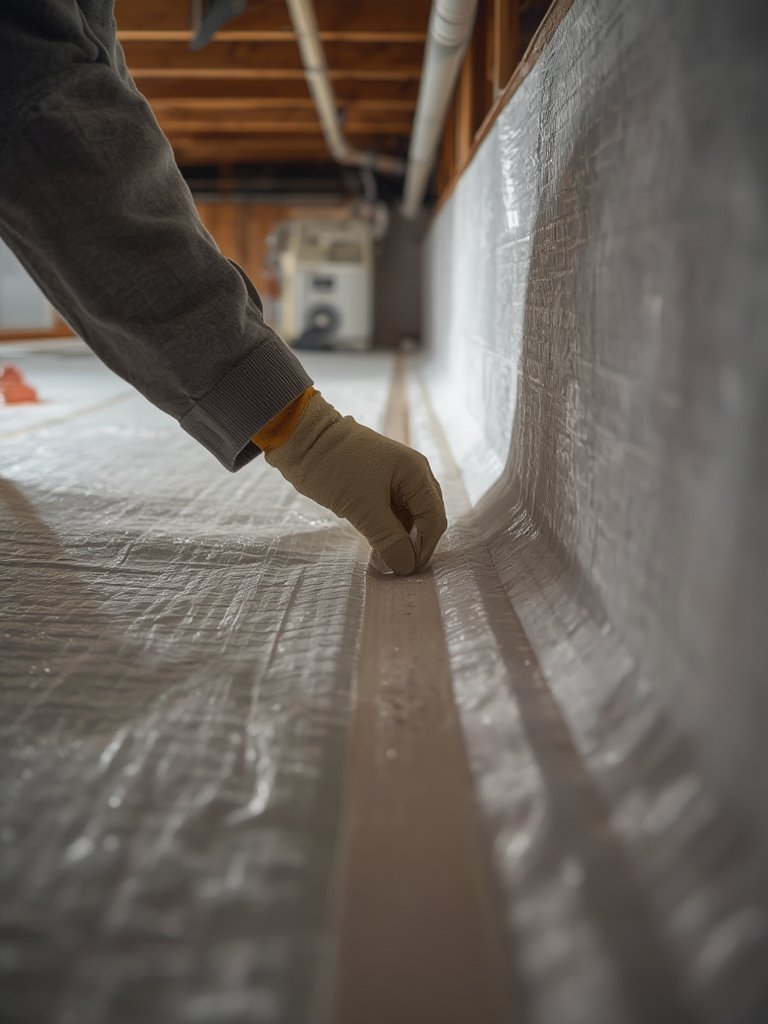
Crawl space encapsulation projects are labor-intensive. Many professionals combine this work with other upgrades—like waterproofing, insulation, or even backup power solutions. If you’re exploring home upgrades, you might also consider whole home generator installation or even solar battery backup as part of a resiliency improvement strategy.
Advanced Analysis & Common Pitfalls
The right crawl space encapsulation can deliver reliability and peace of mind, but it’s not without pitfalls or drawbacks. Here are real-world problems to pay attention to before you start—and what might realistically go wrong.
| Factor | Budget ($5 per sq. ft.) | Midrange ($7 per sq. ft.) | Premium ($9 per sq. ft.) |
|---|---|---|---|
| Description | Simple install, no dehumidifier or dimple mat, few obstructions | Insulation removal, thicker vapor barrier required | Many support pillars, stone foundation, dehumidifier, dimple mat |
| Labor vs. Material | Lower labor required | Medium | Highest labor and material cost |
| Downsides | No moisture or air filtration, basic only | May still need future drainage or repairs | Expensive, risk of overkill for some homes |
Common Problems and Mistakes:
- Ignoring prep work: Skipping repairs or failing to remove mold first often leads to trapped moisture or ongoing damage.
- Choosing the cheapest bid: Inexpensive encapsulation may skip essential steps, use thin vapor barriers, or fail to properly seal vents—resulting in recurring issues.
- Underinvesting in drainage: If standing water isn’t fixed, even the best vapor barrier won’t solve the problem.
- Lack of energy savings proof: While encapsulation is said to boost efficiency, there’s little real-world data on long-term ROI. For energy efficiency upgrades with known rebates, see our resource on heat pump water heater rebates.
- Poor contractor selection: Many homeowners report dissatisfaction due to lack of clear warranties or unlicensed installers. Always seek proof of credentials.
Labor is often half or more of the entire bill, and experienced contractors may cost more up-front but deliver a more reliable job. Factor in the quality of materials as well—even minor upgrades in vapor barrier thickness can meaningfully affect the lifespan and performance of your encapsulation.
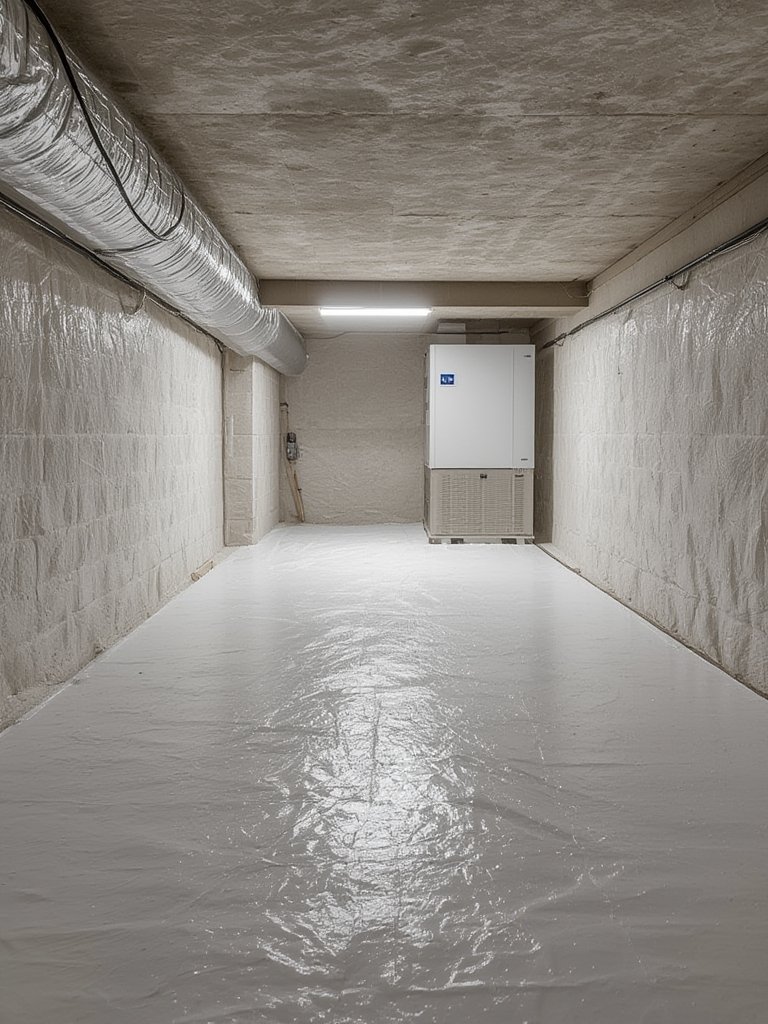
If you’re making multiple upgrades, check if your state or utility offers special incentives for encapsulation or insulation as part of an energy efficiency package. You might also explore EV charger home installation for a more comprehensive smart home approach.
Conclusion
Crawl space encapsulation is a smart way to guard against mold, moisture, and unexpected repairs—yet the crawl space encapsulation cost can be significant, with wide price swings based on labor, materials, and prep work. Always get multiple estimates, ask about guarantees, and confirm what is (and isn’t) included in your bid. Protecting your home starts beneath your feet. Ready to take the next step? Reach out to a contractor near you and request a detailed crawl space encapsulation quote today.
FAQ
How much does crawl space encapsulation cost per square foot in 2024?
In 2024, basic encapsulation costs $2–$4 per square foot, while extensive projects with more features can run $3–$10 per square foot. In Pennsylvania, the range is $5–$9 per square foot. Final costs depend on your region and project complexity. [source]
What factors can increase the total crawl space encapsulation cost?
Key cost drivers include labor (50%–70% of total), crawl space size, need for water mitigation, foundation type, insulation removal, thicker vapor barriers, and installing features like dehumidifiers or drainage mats. Complex layouts and existing damage also add cost.
Is crawl space encapsulation worth it for energy savings?
Encapsulation can help reduce moisture and improve comfort, but there’s little published data on specific energy savings or payback timelines. It may offer benefits in humid or flood-prone areas, but results vary by home and climate.
How do I know if my crawl space needs encapsulation or just insulation?
If your crawl space has recurring moisture, visible mold, or pests, encapsulation is likely the better fix. If it’s dry but drafty, insulation alone may suffice. For DIY tips on insulation upgrades, read our guide on spray foam insulation DIY.
Does encapsulation eliminate crawl space mold problems?
Encapsulation prevents new mold issues by blocking moisture, but any existing mold must be professionally removed first. Sources don’t detail standalone mold removal costs, so be sure to include this in your contractor’s quote.