

### Blog Post:
whole home generator installation has become a top priority for homeowners in 2024, as power outages and grid instability continue to rise. Whether you want complete energy independence or reliable backup, understanding how to execute a hassle-free installation—and avoid common pitfalls—will protect your investment and peace of mind.
Key Takeaways
- North America leads the global market for whole home generator installation, mainly due to frequent power outages and extreme weather events.
- Substantial upfront costs and generator sizing confusion are the most common homeowner pain points during installation.
- Success depends on proper sizing, professional installation, and understanding regional fuel options for long-term value.
- What Is Whole Home Generator Installation & Why Is It So Popular?
- Step-by-Step Guide: Planning and Installing a Whole Home Generator
- Advanced Analysis & Common Pitfalls in Whole Home Generator Installation
- Conclusion
- Frequently Asked Questions
What Is Whole Home Generator Installation & Why Is It So Popular?
Whole home generator installation means setting up an automatic standby generator system that can power your entire house during a grid outage. Unlike portable units, these systems monitor your utility lines and activate instantly if an outage is detected—providing seamless power to everything from lights and HVAC to sensitive electronics.
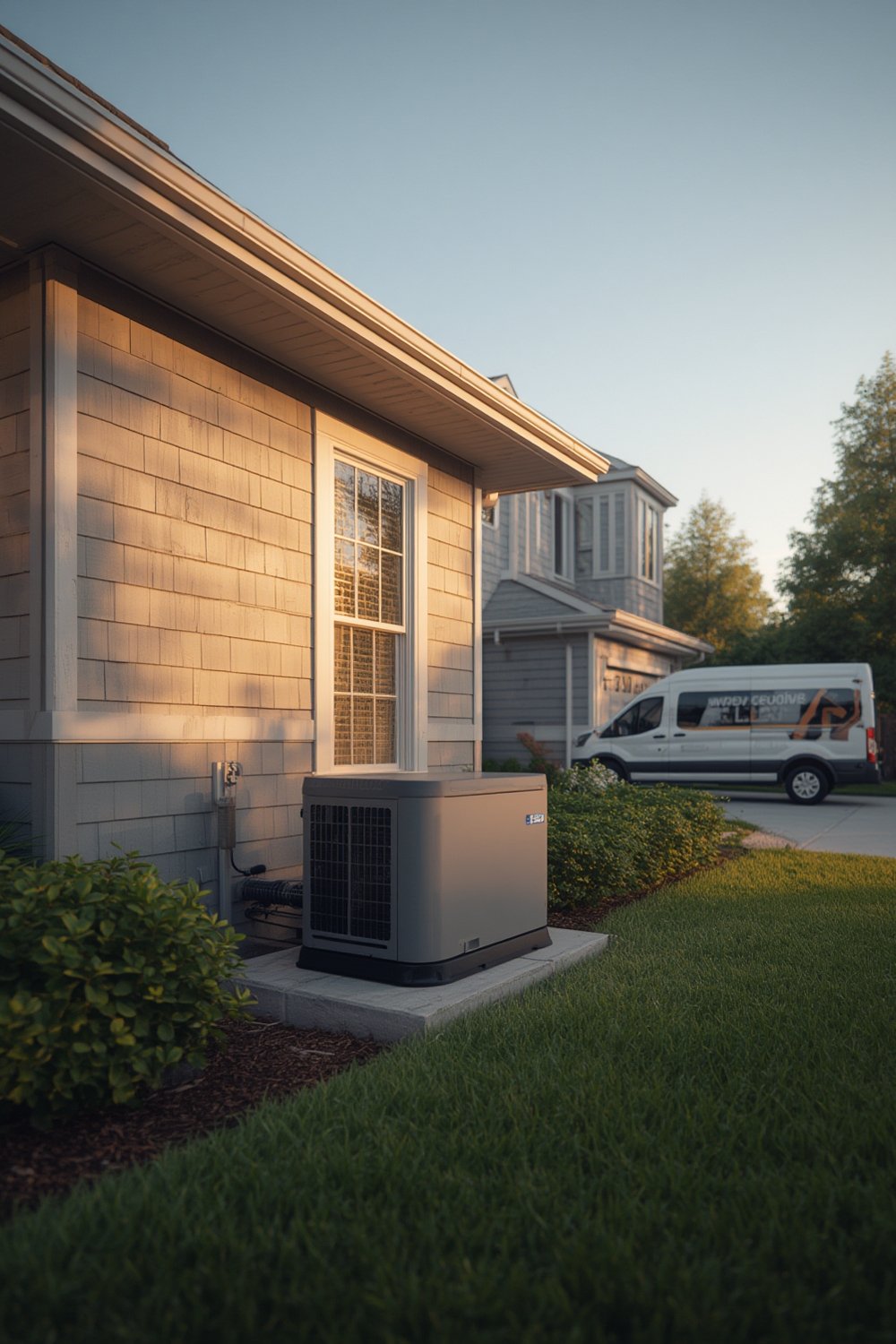
The popularity spike in 2024 is driven by a series of extreme weather events, aging infrastructure, and growing work-from-home lifestyles. North America dominates the global market, accounting for over 55% of demand, as frequent blackouts spark new home builds and retrofits that feature built-in standby power (source). Modern models can run on natural gas, propane, or even dual-fuel setups, aligning with local utility hookups and eco-conscious choices. More homeowners are motivated by one goal: uninterrupted comfort and safety, no matter the weather.
For those looking to optimize other critical systems, check out our resources on EV charger home installation and home energy upgrades like heat pump water heater rebates.
Step-by-Step Guide: Planning and Installing a Whole Home Generator
Proper planning is essential for a safe, code-compliant, and cost-effective whole home generator installation. Here’s a clear, actionable breakdown:
1. Assess Your Power Needs
List all essential appliances and systems that must keep running in an outage—HVAC, freezers, medical devices, lights, and plugs. Determine their running wattage, plus extra for startup surges (especially for pumps and compressors). If you want true whole-home coverage, it’s best to size for what would run if the whole family is home on a regular day. As a rule, many households land in the 10-20kW range for total coverage (market data).
2. Pick the Right Generator Type & Fuel
Most homeowners choose between natural gas, propane, or diesel. If you have piped gas, use it. If you’re off-grid or want lower emissions and long storage, propane is a solid alternative. Dual-fuel models are on the rise—offering flexibility in uncertain times. For a deep dive, see our technical guide.
3. Choose a Location
Generators must be outdoors, on a cleared, level surface, and meet code for minimum distance from windows, doors, and your property line. Avoid areas where flooding, snow, or falling debris are an issue. Some regions require specific permits for pad placement—check with your local building department.
4. Obtain Permits & Schedule Professional Installation
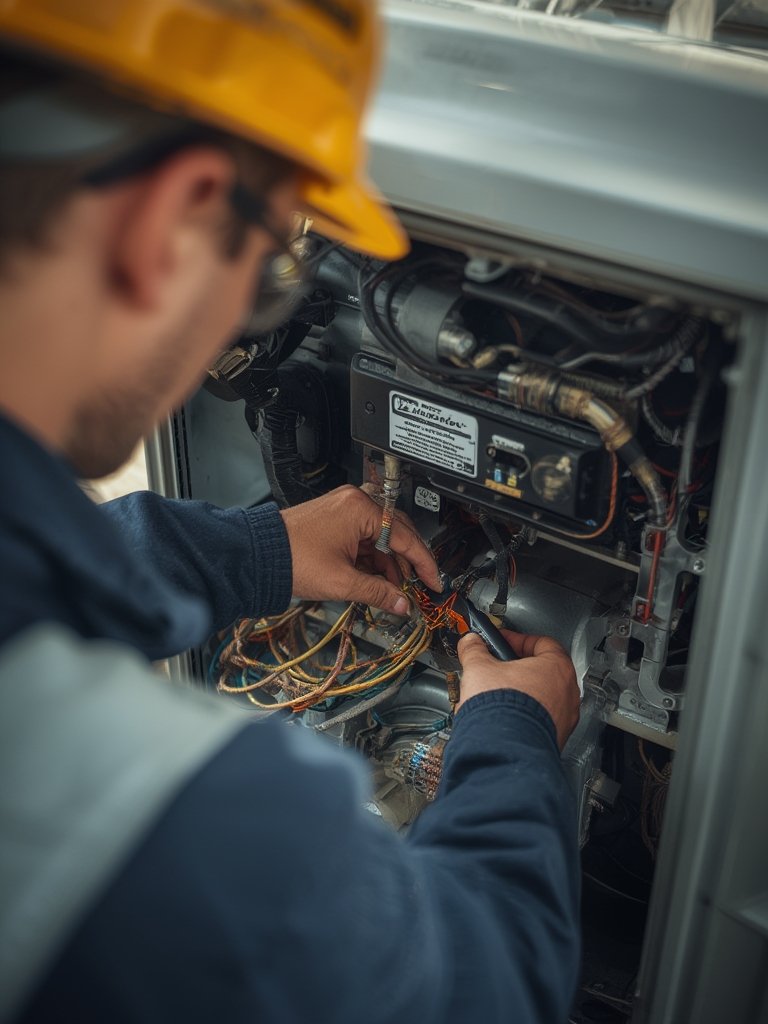
Don’t skip this step: installations virtually always require electrical, gas, and sometimes zoning permits. Most local codes require a licensed electrician and plumber for safe hook-up. DIY mistakes can void warranties and even home insurance.
5. Integrate with Your Electrical Panel
Your installer will typically add an automatic transfer switch—this senses outages and automatically switches your house circuits from the grid to generator power. For full-home coverage, expect a main breaker panel transfer. Be aware: improper transfer switch installation can damage appliances or create dangerous backfeeding.
If you want to insulate pipes or walls before wiring, see our spray foam insulation DIY guide—it can cut long-term energy losses that add load to your generator.
6. Test the System
Once installed, power up with a simulated outage. Check all circuits and appliances. Make sure your installer provides a maintenance checklist and operation manual—most brands (Generac, Kohler) offer digital monitoring apps and should include an emergency phone number for support.
Advanced Analysis & Common Pitfalls in Whole Home Generator Installation
Despite rising adoption, the installation process is rarely smooth. Here are the top pitfalls and issues based on current market research:
- High Upfront Costs: The most common complaint. Expect $6,000-$12,000 installed, depending on generator size, transfer switch, site work, permits, and utility upgrades. Financing may be available via select dealers (report).
- Generator Sizing Confusion: Many homeowners overspend or under-buy due to poor sizing. Lack of simple step-by-step methodology or online calculators in most guides leaves buyers guessing.
- Permitting Delays: Local rules can introduce weeks of delays—plus mandatory utility inspections, which are often missing from brand guides.
- Fuel Availability & Running Costs: Not every home has piped natural gas. On-site tank need periodic refills but offer cleaner emissions. Dual-fuel units allow maximum flexibility as natural disasters disrupt infrastructure.
- Missed Maintenance: Skipping annual checks or not running your generator monthly can void your warranty and leave you unprotected in emergencies.
| Feature | Natural Gas | Propane | Diesel |
|---|---|---|---|
| Fuel Storage | Piped from utility | On-site tank | On-site tank |
| Emissions | Low | Lower NOx than diesel | High |
| Long-term Cost | Lowest if utility available | Mid-high (fuel price volatility) | Highest (plus storage risks) |
| Maintenance | Low | Low | High (fuel spoilage/clogging) |
| Common Use Case | Urban/suburban homes | Off-grid/rural, backup only | Commercial, rare for homes |
For more technical insights, see the 2024 global generator market analysis.

Conclusion
Investing in a whole home generator installation guarantees peace of mind during outages, but demands upfront planning and expert support. Remember to assess your real power needs, budget for installation costs, and insist on professional, code-compliant work. Ready to secure your home’s comfort? Start researching local installers, and don’t hesitate to reference this guide every step of the way—proper whole home generator installation is an investment that pays off with every storm and blackout. Want more practical home upgrade tips? Explore our guides on EV charger home installation and heat pump water heater rebates for further resilience.
Frequently Asked Questions
How long does a typical whole home generator installation take?
Most installations take 1-2 days once permits and utility shutoffs are approved. If trenching for gas or major electrical upgrades are needed, expect the project to stretch to 3-5 days total.
Can I install a whole home generator myself?
No. Licensed electricians and plumbers are required by law in almost every jurisdiction for the fuel and electrical work. Improper installation is hazardous and will void the manufacturer’s warranty and often your homeowner’s insurance.
What size generator do I need for my whole home?
Most medium homes (2,000-2,800 sq. ft.) need 10-15kW for full coverage, but a real assessment should be performed to list all essential loads. You can use your average daily kWh as a first pass but always have a professional confirm. Sizing calculators from brands like Generac or Kohler can help but aren’t perfect.
Should I choose natural gas, propane, or a dual-fuel system?
If you have access to utility natural gas, it’s typically the most convenient and lowest in long-term cost. Propane is great for rural or off-grid homes. Dual-fuel offers flexibility—ideal if you want a backup option if one fuel source is interrupted.
Is a standby generator worth it if I already have portable generators?
Yes, for most homeowners. Standby generators power the whole house automatically—no extension cords or manual refueling. They also provide cleaner, more stable power for sensitive electronics and operate even if you’re not home during an outage.
—