

### Blog Post:
Spray foam insulation DIY projects can cut energy bills and boost comfort, but the process comes with costs, safety issues, and common missteps many homeowners don’t realize until it’s too late. This guide explains the real pros, cons, and expert strategies for DIY spray foam installation — especially for attics and crawl spaces where mistakes matter most.
Key Takeaways
- DIY spray foam insulation can save money on labor, but mistakes may reduce effectiveness or cause safety risks.
- Project costs range from $1,000 to $3,000 for DIY—about 30%-40% less than professional jobs for similar coverage.
- Thorough prep, correct gear, and understanding attic/crawl space hazards are essential for success.
- What Is DIY Spray Foam Insulation (and Why Homeowners Try It)
- Step-by-Step: How to Install Spray Foam Insulation Yourself
- Real-World Analysis: Pitfalls, Costs & Performance Gaps
- Conclusion
- Frequently Asked Questions
What Is DIY Spray Foam Insulation (and Why Homeowners Try It)
Spray foam insulation is a chemical product that expands and hardens on contact, sealing gaps in attics, crawl spaces, garages, and rim joists. The two main types are open-cell and closed-cell foam. DIY kits are marketed to homeowners looking to save on installation costs that would otherwise go to a professional.
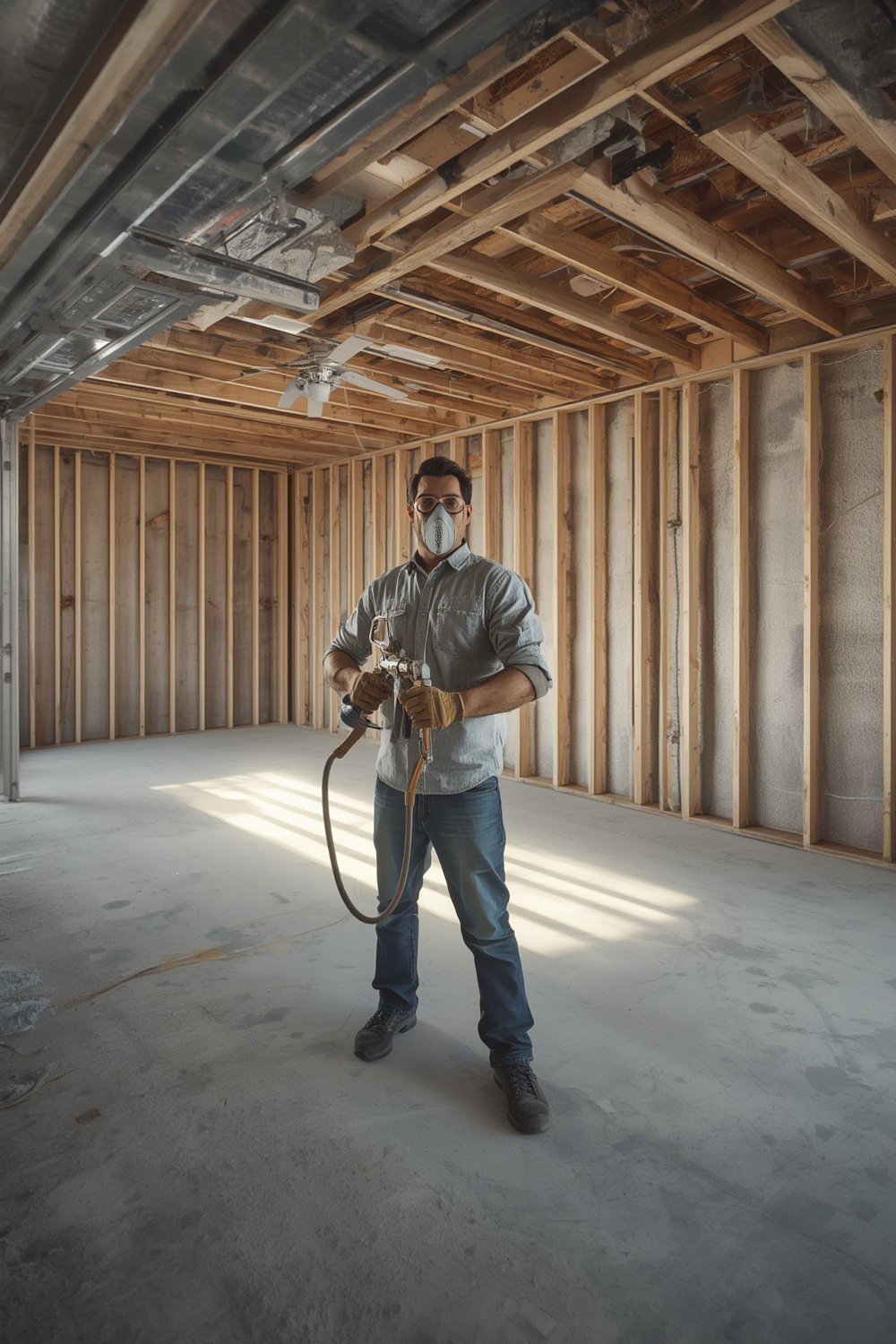
Cost is the big motivator. Professional spray foam installations typically cost $1.00 to $4.50 per square foot, with medium-sized jobs averaging $2,000 to $5,000 (source). By going DIY, homeowners can often bring the job down to $1,000 to $3,000—factoring in a few weekends, protective equipment, and kit purchases (source).
DIY is more popular for small-to-medium projects (like sealing rim joists or patching attic spots). Larger or complicated jobs, especially in humid or vent-limited spaces, are riskier and often less cost-effective once mistakes and material waste are factored in.
For more tips on maximizing home energy rebates after insulation upgrades, see our guide: heat pump water heater rebate.
Step-by-Step: How to Install Spray Foam Insulation Yourself
Tackling spray foam insulation DIY takes more than just buying a kit. Preparation, safety, and the right method reduce the risk of failed adhesion or poor sealing.
-
Gather Tools and Materials.
Most spray foam kits come with two chemical tanks, gun assemblies, nozzle tips, and user guides. You’ll also need:- Respirator (not just dust masks)
- Goggles, gloves, disposable coveralls, sturdy work shoes
- chemical-resistant gloves, plastic sheets, utility knife, and trash bags
- Drop lights and extension cords for dark attic/crawl space corners
-
Prep the Area.
Remove old fiberglass or debris. Ensure all surfaces are dry and dust-free (moisture disrupts foam adhesion). Block off HVAC returns and open a window or setup fans for negative-pressure ventilation. Seal off access to living spaces. -
Read the Instructions and Test Temperature/Humidity.
Foam chemistry is sensitive: Check kit documentation for minimum/maximum temperatures and humidity. If conditions fall outside this window (e.g. attic is too cold or humid), postpone the job. -
Plan Your Application Path.
Work from farthest corners toward your exit, and in manageable zones. Never get boxed in by wet uncured foam. For rim joists or crawl spaces, prioritize horizontal surfaces first. -
Suit Up and Apply Spray Foam in Thin Layers.
Insert a new nozzle, shake the tanks if required, and start with a short spray in a test area. Don’t rush—apply foam in 2-inch lifts or thinner, allowing each layer to expand and set before re-coating. -
Inspect and Repeat.
Check for missed gaps, voids, or areas where foam pulled from surfaces. Reapply as needed to ensure air-sealing continuity. -
Clean Up and Dispose of Chemicals Safely.
Dispose of empty tanks per local regulations. Remove plastic sheets, vacuum dust, and do a final visual check for open gaps or uncovered electrical boxes.
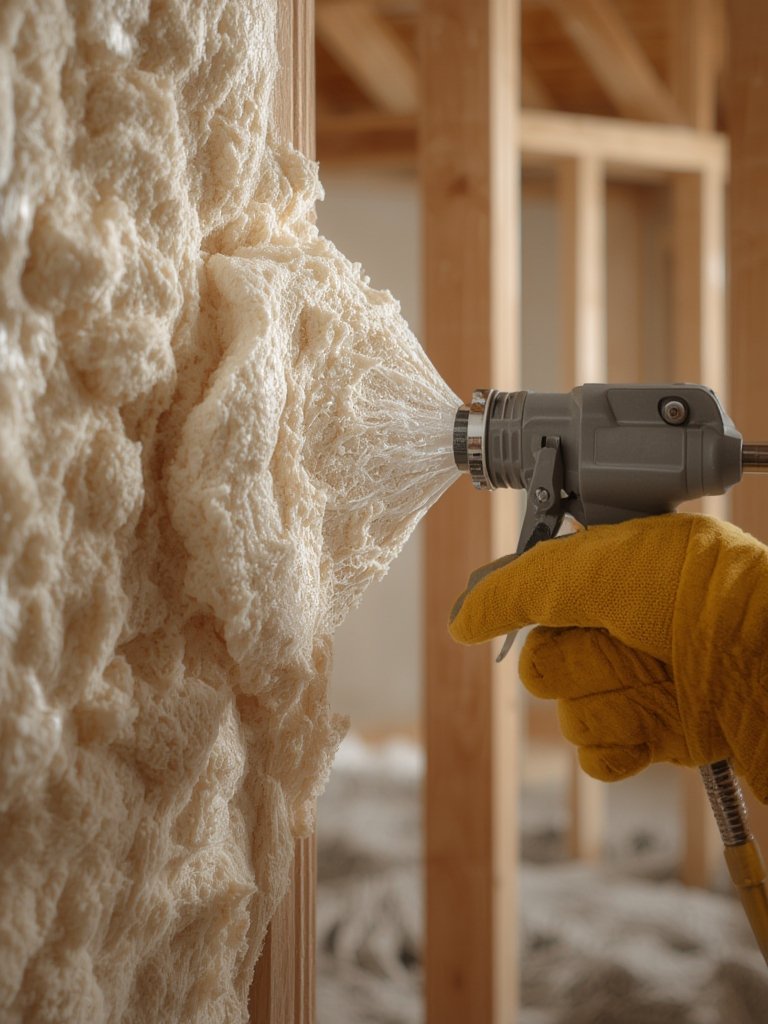
A small attic or garage rim joist job often takes all weekend, including masking, spraying, and cleaning up. If you plan to insulate a full attic or crawl space, budget extra time and several spray foam kits.
Consider pairing new insulation with an EV charging outlet or other home upgrades; see our EV charger home installation guide for step-by-step installation help.
Real-World Analysis: Pitfalls, Costs & Performance Gaps
DIY spray foam jobs can look easy on YouTube, but actual attic and crawl space projects come with a learning curve. Here are the pitfalls and comparisons that matter.
| DIY Insulation | Professional Installation | |
|---|---|---|
| Material Cost per sq ft | $0.25–$2.00 (open-cell/closed-cell kits) |
$1.00–$4.50 |
| Total Project Cost | $1,000–$3,000 (medium job) |
$2,000–$5,000 (medium job) |
| Labor & Cleanup | Self-performed (full weekend or more) | Labor included; 1–2 days, fast cleanup |
| Performance & Durability | Depends on prep, application skills; risks of missed spots, poor adhesion | Expert air-sealing, even coverage, minimal waste |
| Safety & Risks | High if untrained (injury, off-gassing, missed ventilation, wasted foam) | Low (trained, professional-grade equipment, code compliance) |
| R-Value, Energy Savings | Variable; open data on R-values and energy impact is lacking | Consistent; backed by warranty in most cases |
- Common DIY Problems: Improper foam expansion, adhesion fails due to hidden moisture, safety lapses (chemical exposure), missed ventilation steps, and uneven coverage. Homeowners often waste 20%+ of kit contents or need an extra kit for touchups.
- Durability & Energy Performance: User reviews highlight the importance of even foam thickness and flawless air-sealing; pro jobs generally perform better with fewer callbacks (source), but unbiased studies on 5+ year durability are hard to find.
- Rental Equipment: Commercial spray rigs optimize large jobs but are rarely practical for single-use DIYers (source). Kits remain the go-to for most homeowners.
If you’re strategizing for rebates after your insulation project, see our latest updates for next year’s programs: heat pump water heater rebate 2025.
Conclusion
Spray foam insulation DIY can be cost-effective for small to medium projects if you respect the technical details and prep. However, for attics and crawl spaces, missteps can mean poor performance, higher costs, and safety risks. The lack of open R-value and durability data for DIY compared to pro installs is a real barrier for ROI planning.
If you’re ready to try spray foam insulation DIY on your own, start with a small area, follow every safety protocol, and get plenty of ventilation. For tricky jobs, get multiple professional quotes—and use our rebate guides (here and here) to maximize your savings. Safe installation leads to genuine energy and comfort results.
Frequently Asked Questions
What is the average cost per square foot for DIY spray foam insulation?
DIY open-cell kits typically cost $0.25–$0.75 per board foot, while closed-cell options run about $0.75–$2.00 per square foot. Expect total DIY costs of $1,000–$3,000 for medium projects, including equipment and protective gear.
Is DIY spray foam safe for attics or crawl spaces?
It can be, with proper gear and ventilation. However, attics and crawl spaces pose challenges—moisture, difficult access, and ventilation mistakes may risk poor air quality or ineffective insulation. Safety protocols and environmental prep are essential.
Are there energy rebates for spray foam insulation DIY projects?
Some programs require professional installation, but others allow DIY if materials meet criteria and you document the process. For updated rebate info, see our resource: heat pump water heater rebate.
Do DIY kits have the same R-value as pro-applied foam?
R-value depends on correct application thickness and cure—two things easier for trained installers to guarantee. DIY kits can match factory specs, but inconsistent application may lower performance.
Can I rent commercial spray foam equipment for a DIY job?
While referenced in cost breakdowns, most homeowners rely on retail foam kits. Full-scale rigs are expensive and complex, best left to professionals for large jobs.
—